Given the window of opportunity that is opening for a potential democratic transition in Venezuela, and in light of the demand for general elections to renew all levels of government, it is timely to assess the current conditions of the electoral system in order to identify the changes needed to guarantee free, transparent, and democratic elections.
The Venezuelan electoral system is grounded in the Constitution of the Republic and in electoral laws, which establish how citizens must exercise the right to active and passive suffrage, the offices to be elected and their periodicity, the electoral calendar, eligibility requirements, and the guarantees that must be upheld in the organization of elections and referendums, as well as the bodies responsible for electoral administration and electoral dispute jurisdiction, among other key elements.

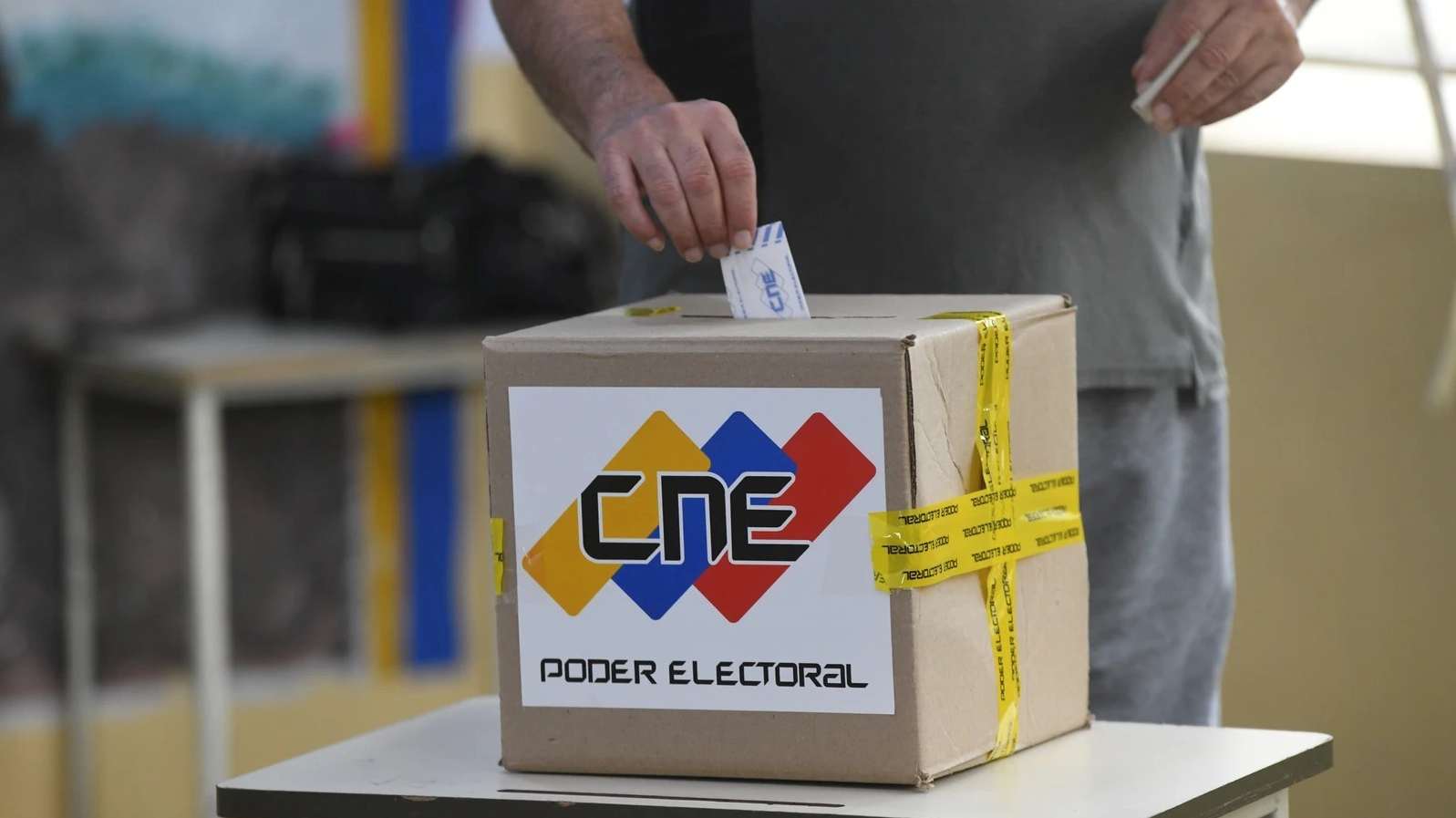
For the organization of elections and referendums, the Electoral Branch, whose governing body is the National Electoral Council (CNE), automated the voting system in 2004, including not only the casting of votes but also the counting and tabulation processes. However, the architecture of the Venezuelan electoral system presents a profound technical and institutional paradox: it has a technological platform that has been described as one of the most advanced in the world for its traceability and security, yet it operates within an institutional environment characterized by systemic distrust and lack of independence.
The greatest strength of the Venezuelan process is its automated voting system, which integrates touchscreen machines with a paper audit trail: the printed tally sheets and the printed vote receipt. It also incorporates the Integrated Authentication System (SAI), which enables biometric identification in order to prevent multiple voting and ensure the principle of “one person, one vote.”
The guarantees of this automated system allowed the democratic opposition, organized around the candidacy of Edmundo González, to demonstrate the massive fraud recorded on July 28, 2024. Although the CNE announced false results disregarding González’s victory, the opposition safeguarded a large percentage of the tally sheets issued by the voting machines and digitized, processed, and published them within hours, exposing the fraud.
However, these strengths are not sufficient in a context where the Electoral Branch has been co-opted. As evidenced in the 2024 and 2025 processes, the CNE has the capacity to bypass technical guarantees by refusing to publish results disaggregated by polling station, invoking unproven cyberattacks and cancelling vital audits. The elimination of technical security mechanisms, such as the QR code on printed tally sheets in the 2025 elections, demonstrates that technology—without political guarantees and independent oversight—does not ensure credible results.
To promote a democratic election, the critical risks that have eroded the integrity of suffrage over the past decade must be mitigated. Some of them include:
Administrative sanctions used to disqualify candidates. The predominant risk is legal uncertainty. The Office of the Comptroller General of the Republic (CGR) has stripped citizens of their political rights through opaque administrative procedures, violating the constitutional mandate that requires a final judicial ruling for such disqualifications. This is compounded by the judicial intervention of political parties by the Supreme Tribunal of Justice (TSJ), which arbitrarily limits the electoral offer.
Electoral Registry (RE) and the exclusion of the diaspora. Although the Electoral Registry should be continuous, recently the registration and updating of voter data have been obstructed. An underregistration of between two and three million young people is estimated, although the most serious exclusion affects the diaspora: of the nearly 8 million Venezuelans abroad, only 69,000 are eligible to vote due to excessive legal residency requirements not contemplated in the Constitution.
Equity in the contest. The current competition is incompatible with international standards due to pro-government advantages. The systematic use of state resources, the hegemony of public media, and the application of restrictive laws (such as the “Anti-Hate Law” and the “Simón Bolívar Law”) generate a decisive asymmetry that silences the opposition.
Irregularities during election day. The presence of the Plan República creates a militarized environment that, at times, results in restrictions on access for witnesses and observers. In addition, practices of social coercion, abuse of assisted voting, and vote buying through economic benefits have been documented.
Any electoral call that truly aims to lead to a democratic transition must be preceded by the following reforms, categorized according to their urgency and depth:
Restoration of the independence of the CNE and the Judiciary. An institutional renewal of the CNE is imperative, with rectors appointed in accordance with the Constitution, ensuring plural and transparent participation without discretionary intervention by the Supreme Tribunal of Justice (TSJ). The depoliticization of internal bodies and Regional Electoral Offices (ORE) is essential to break the centralized chain of command that undermines the autonomy of municipal and regional electoral boards, which are subordinate bodies of the CNE responsible for organizing electoral processes within their respective geographic jurisdictions.
Full guarantees of transparency and verifiability. The law must require the immediate publication of results disaggregated by polling station in open formats. All post-election audits must be restored and the QR code on tally sheets reinstated in order to guarantee the full traceability of the process.
Comprehensive reform of the Electoral Registry and voting abroad. The Electoral Registry must be transformed into a permanent enrollment system accessible throughout the national territory. Voting abroad must be recognized as an enforceable right, simplifying requirements and expanding polling centers under international supervision.
Elimination of disqualifications and restoration of freedoms. The power of the Comptroller’s Office to disqualify candidacies without a final judicial ruling must be repealed, and existing disqualifications must be reviewed in order to restore political rights. Likewise, the cessation of political persecution and the repeal of norms that encourage self-censorship are crucial, guaranteeing freedom of expression, assembly, and mobilization.
Independent international observation. A credible election requires the unconditional invitation of qualified missions (OAS, EU, Carter Center, and UN) and the repeal of restrictive figures such as “oversight” or “accompaniment,” allowing unrestricted access to all phases of the electoral cycle.
The automated voting system and biometric identification could only be maintained under conditions of democratic governance and independent oversight. Biometric identification must include explicit legal guarantees ensuring that identity cannot be linked to the vote. Likewise, the logistical infrastructure of the CNE is usable only if the political neutrality and impartiality of its technical staff are ensured.
It is still too early to know whether we are on the threshold of a democratic transition, since, although there have been signs that progress may be moving in that direction, those who hold power remain the same as under the Maduro administration. Thus, there are no guarantees of democratization, but the opportunity that has arisen must be seized to demand an opening, the restoration of political rights, and improved conditions for electoral competitiveness.
Electoral integrity is a comprehensive concept that requires independent, professional, and technical electoral authorities, an inclusive electoral registry, and an environment of political freedom. Without these prior structural reforms, any electoral process would lack the legitimacy necessary to stabilize the country.
Autor

Executive Director of Transparencia Electoral. Degree in International Relations from Universidad Central de Venezuela (UCV). Candidate for a Master's Degree in Electoral Studies at Universidad Nacional de San Martín (UNSAM / Argentina).