Leaving residential care should be a supported transition, not a leap into the unknown.
In Mexico, turning 18 can mean celebrating the transition into adulthood. But for those who have grown up or spent a significant part of their lives in a Social Assistance Center (a residential protection setting for children and adolescents whose rights have been violated), that date can also mark the end of a protection measure and the beginning of an independence for which they have not always had enough time, resources, or support to prepare.
From one day to the next, society may stop seeing a teenager as someone under protection and begin expecting them to act as an autonomous adult: find a job, manage money, continue their education, find a place to live, look after their health, make decisions and maintain their emotional well-being. In many cases, they must do all this while dealing with a history of neglect, violence, substance use, family separation or a lack of support networks.

Legal adulthood changes in an instant. Maturity, autonomy and emotional security do not. That is why protecting an adolescent cannot be reduced to providing food, accommodation and care while they remain in an institution. Protection also means preparing them for the moment when they will have to make decisions outside it.
A responsibility recognized, but still unfulfilled
This obligation is not merely a moral one. Mexico’s General Law on the Rights of Children and Adolescents establishes comprehensive protection duties for Social Assistance Centers. At the international level, the Guidelines for the Alternative Care of Children and the United Nations Committee on the Rights of the Child state that those leaving alternative care require preparation for the transition, access to employment and housing, psychological support and follow-up services.
However, there is still a considerable gap between what the law recognizes and what many young people experience. Preparation often begins too late, is limited to a few workshops or depends on fragmented resources. The result is a contradiction: young people receive protection throughout adolescence, but upon reaching adulthood they are expected to become immediately self-sufficient—something that is not even expected of most young people who grow up with a family and a stable support network.
Leaving an institution should not be synonymous with being left alone. Independence cannot become a renewed form of abandonment.
Preparing for life is a process
Preparing an adolescent to live independently does not mean taking a course a few weeks before they turn 18. It is a gradual process that should begin well in advance, adapt to each individual’s circumstances and allow young people to participate in decisions that will affect their future.
It involves learning how to obtain and safeguard personal documents, manage income and expenses, prepare food, use public transportation, care for physical and mental health, continue studying or enter the workforce, recognize healthy and safe relationships, use digital tools responsibly, and ask for help and deal with mistakes without feeling that one setback erases everything they have achieved.
It also requires something less visible, but decisive: building trust. Someone who has experienced violence, loss or separation may have developed survival strategies that were useful for enduring hardship, but not necessarily for forming relationships, planning ahead or accepting support. Asking for independence without acknowledging those experiences risks holding them responsible for wounds they did not cause.
A life plan, therefore, is not a form to be filled out to meet a requirement. It is an ongoing conversation about aspirations, abilities, fears, alternatives and real-world limitations. It should be revisited over time and translated into concrete goals: completing a level of education, beginning vocational training, obtaining necessary documents, saving an attainable amount of money, identifying a safe place to live and knowing whom to call in a crisis.
Support does not end at the door
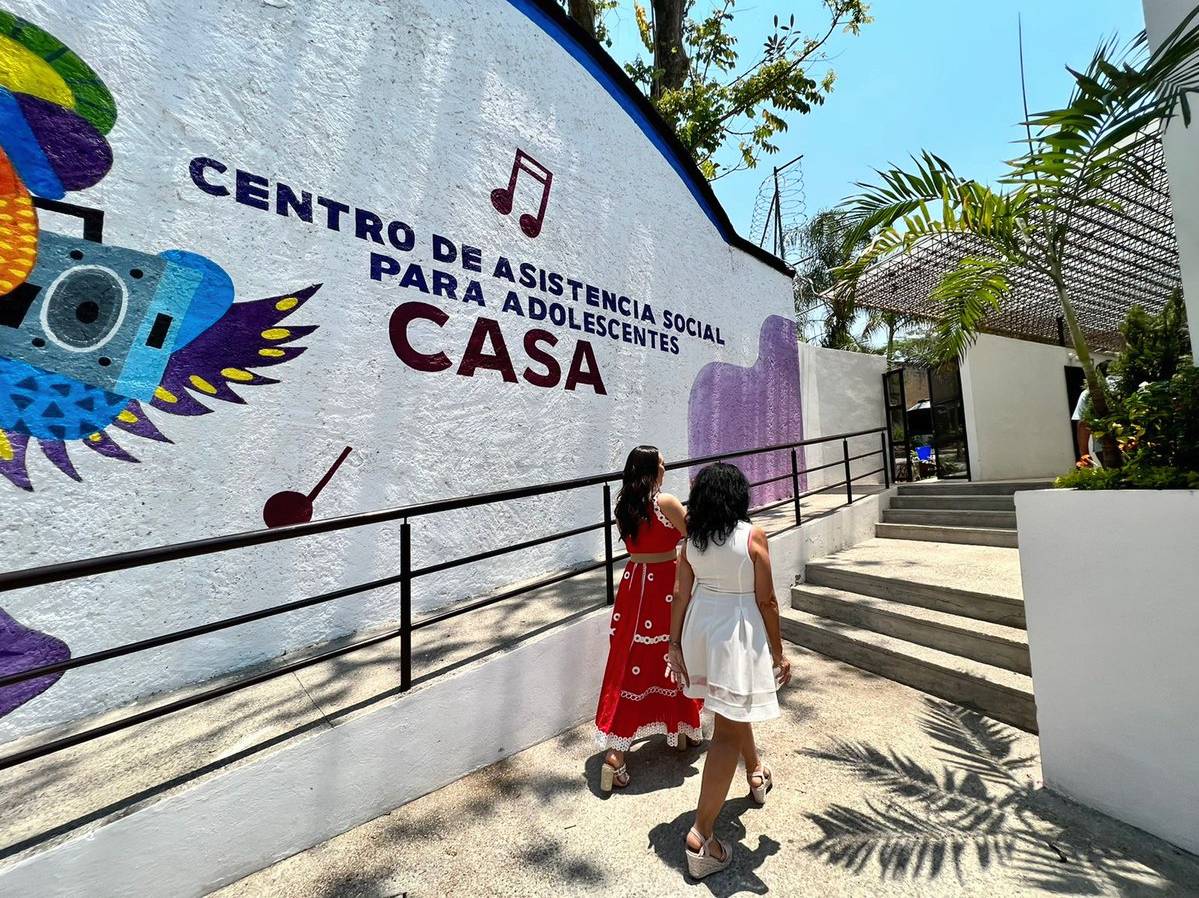
At Casa Mahayana Jóvenes, a center specializing in providing not only basic care but also psychoeducational support to adolescents and young people, we understand that residential protection must be linked from the outset to the restoration of previously violated rights and preparation for the future. Psychoeducational support, healthcare, educational continuity, the development of life skills and the building of support networks are not separate components: they are all part of the same path toward autonomy.
No institution can walk that path alone. Coordination is needed among child protection authorities, families when their involvement is safe, schools, healthcare services, universities, employers, social organizations and communities. The transition must have clearly identified responsibilities, verifiable agreements and resources that do not disappear on the day a young person leaves care.
A serious plan should begin sufficiently far in advance and include, at a minimum, personal documentation, education or vocational training, decent employment opportunities, basic money management, safe housing, continuity of medical and psychological care, a support network chosen together with the young person and post-care follow-up. Above all, it must listen to their voice. You cannot prepare someone to make decisions by excluding them from those decisions.
Building a bridge, not bringing someone to the edge of a cliff
The goal is not to promise perfect independence. No one enters adulthood with all the answers. The goal is for leaving care not to happen as an abrupt break, but as a supported transition, with real opportunities and the possibility of asking for help without losing one’s dignity. To make this possible, a transition plan should include official identification documenting legal adulthood—such as Mexico’s INE—continued education or employment, safe housing, healthcare, a support network and post-care follow-up.
When a young person leaves a social assistance center, the question should not be simply whether the institution fulfilled its responsibilities while they were there. We must also ask whether, upon leaving, they have the tools, relationships and minimum conditions needed to sustain their life plan — and whether the community is willing not to leave them alone.
Turning 18 should open the door to rights and possibilities, not to a fall into the unknown. Protection is complete when it becomes skills, networks and a future. It is not enough to protect someone until the door closes. We must provide support so that, when it opens, there is a path on the other side.
Autor

Director general de Desarrollo y Atención Psicoeducativa A.C. México. Desde hace diez años impulsa estrategias de atención, protección y desarrollo integral para adolescentes que enfrentan condiciones de vulnerabilidad.