Latin America and the Caribbean have made significant progress in making the care agenda visible and recognizing its importance. What for a long time remained confined to the private sphere is beginning to be recognized as a central issue for sustaining life, gender equality, social justice and sustainable development. However, the debate on care in the region is taking on a new dimension in the face of the rapid aging of the population. According to a recent report by the Inter-American Development Bank (IDB), the number of people aged 65 and over who need support to carry out everyday activities could triple by 2050. This scenario raises a central question: who will provide care in the coming decades, and how will that work be organized?
Care means sustaining life
According to sociologist and researcher Karina Batthyány, one of the region’s leading care specialists, care can be understood as a helping relationship aimed at the physical, affective and emotional well-being of children, dependent persons and, more broadly, of all people throughout the life cycle.

Care, therefore, has several dimensions. It is material because it involves concrete activities such as feeding, hygiene, accompanying or assisting another person. It is economic because these tasks require time and resources and generate direct and indirect costs. And it is also affective because it develops through relationships between those who provide care and those who receive it.
But there are two fundamental elements to understanding its scope. First, care is a relationship of interdependence. Second, the roles of caregiver and care recipient are not permanent. Throughout our lives, we all provide care and receive care.
From this perspective, thinking about care makes it possible to move beyond the idea that it is an exceptional need associated solely with childhood, old age or dependency. Taking an integrated view of care means understanding that it is an activity that is part of everyday life and of the reproduction of our societies.
Care as right
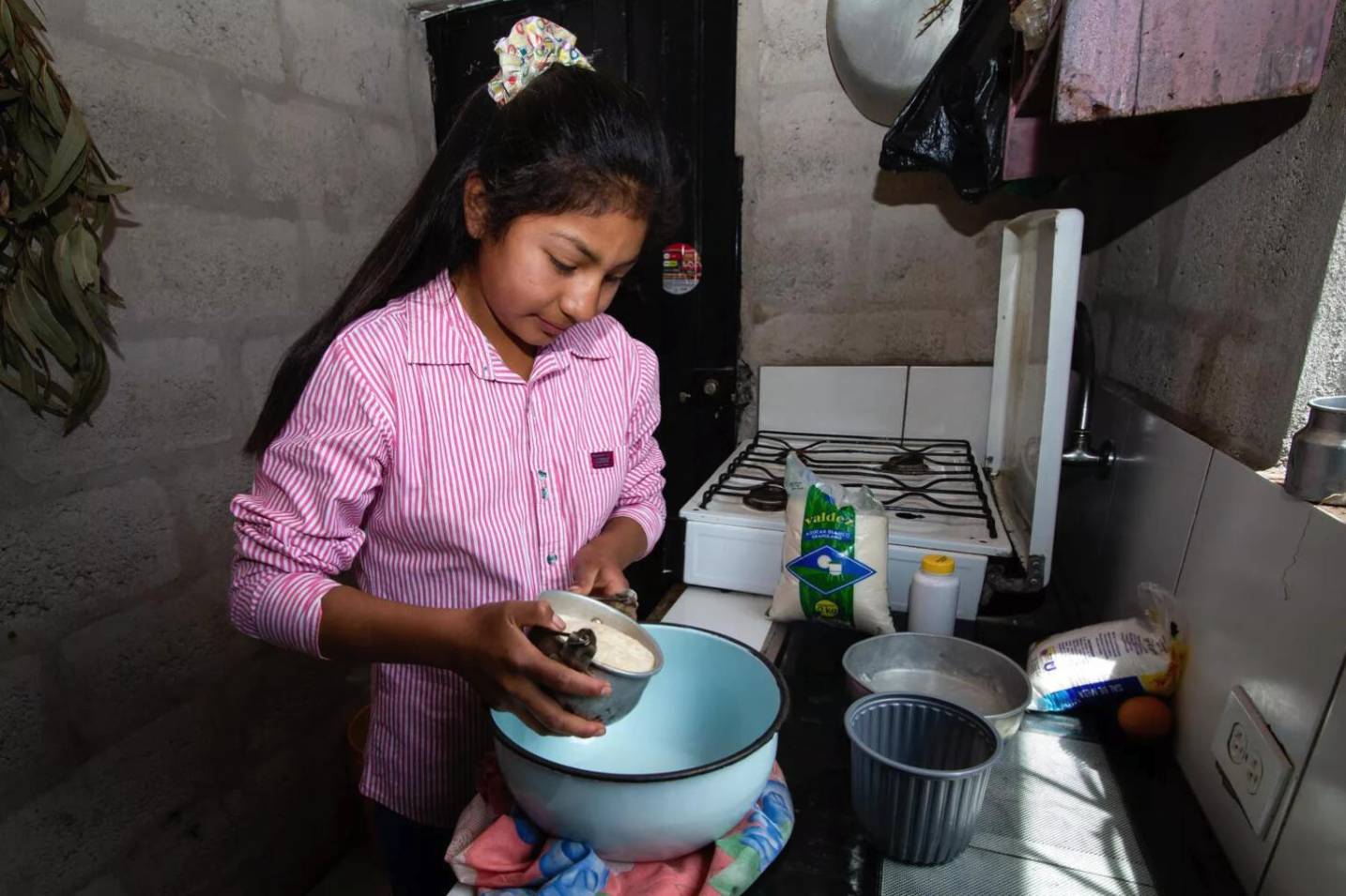
According to ECLAC, in Latin America and the Caribbean, women continue to assume a disproportionate share of care work, both unpaid work at home and paid work.
Although several countries have developed public care policies, these have not yet succeeded in sufficiently transforming the sexual division of labor. It is therefore important to emphasize that care is not only a family matter, but also an issue of economic and gender inequality. In this context, the legal and political recognition of care as a right has made it possible to achieve significant progress at the regional level.
In 2025, the Inter-American Court of Human Rights formally recognized this right as an autonomous human right in its Advisory Opinion OC-31/25. From the perspective of care as a right, providing care, receiving care and exercising self-care are fundamental dimensions of a dignified life.
In the region, this process has been driven, among other actors, by national and transnational feminist movements and by international organizations such as ECLAC, and was facilitated by the consolidation of the field of care research at the beginning of the 21st century.
Furthermore, according to ECLAC, 16 countries in Latin America and the Caribbean have made progress in developing regulatory frameworks on care, and eight already have specific legislation. However, the supply of services remains insufficient: although Uruguay and Costa Rica have developed national long-term care systems, in much of the region public services remain limited and private provision is unaffordable for large segments of the population.
The demographic challenge and care as one of the jobs of the future
Latin America and the Caribbean is aging at one of the fastest rates in the world. According to the Who Cares? How to Support and Ensure Recognition for Caregivers for Older People in Latin America and the Caribbean report, published by the Inter-American Development Bank (IDB), the OECD and the French Development Agency, around eight million people over the age of 65 currently need support with everyday activities, a figure that could reach 23 million by 2050.
These needs range from basic activities of daily living, such as eating, bathing, dressing, using the toilet or moving around, to more complex instrumental activities, such as cooking, taking medication or managing personal finances. Moreover, as populations age, care needs tend to become more complex due to increasing functional dependency and the prevalence of chronic diseases.
The problem is that the current model continues to rely heavily on families, and especially on women. And the conditions that sustained this model are changing: women’s participation in the labor market is increasing, fertility rates are declining, and family structures are becoming more dispersed.
According to the aforementioned IDB report, fewer than 20% of older people with care needs receive public services. By 2050, if public policies are not expanded and access to paid services is not facilitated, one in three people between the ages of 45 and 64 could have to take on family caregiving responsibilities. This places growing pressure on families, but also on social protection systems, labor markets and public finances. The issue of care, therefore, cannot be confined to social policies. It must also be incorporated into the economic debate.
Latin America will need to consider care as part of the social and productive infrastructure required to address demographic aging. Growing demand for care will require more services, technologies, infrastructure and specialized professionals. According to a recent study by ECLAC and the International Labour Organization (ILO), expanding care policies and services could generate around 31 million jobs by 2035, most of them formal. In addition, as the aforementioned IDB report points out, the region will need to expand and professionalize its care workforce for older people living with dependency, increasing it from around 3 million to 14 million workers by 2050, improve their working conditions and also support those who provide care within their families.
Care, therefore, should not be seen solely as a social cost, but also as a strategic sector that requires investment, creates jobs, and can contribute to the region’s economic development. It is essential because it enables people to work, study, and participate in society, while creating new opportunities for employment, investment, innovation, and the development of services and technologies.
In line with advances in gender equality and the human right to care, the region also has the task of turning care into a shared social responsibility and a strategic component of a more sustainable and inclusive development model.
Autor

Political scientist. Professor of International Relations and of the Postgraduate Program in Social Sciences in Development, Agriculture and Society (CPDA) at the Federal Rural University of Rio de Janeiro (UFRRJ). PhD in Political Science from the Complutense University of Madrid.