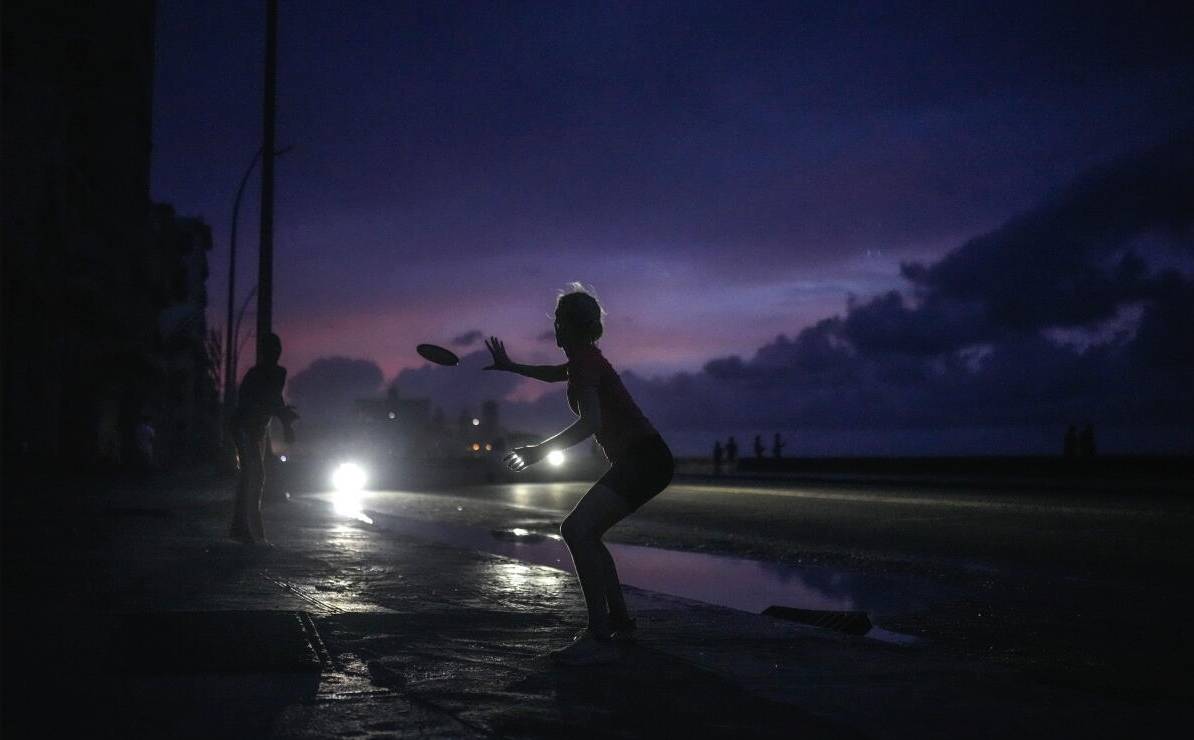
Since the triumph of the Cuban Revolution in 1959, US policy toward the island has been driven by the goal of promoting changes to its political, economic, and social system. For more than six decades, sanctions have been one of the main instruments used to exert pressure in pursuit of that objective. However, the measures adopted since 2025 mark a significant shift: the energy system has moved to the center of the pressure strategy, with consequences that extend beyond the economic sphere and take on a humanitarian dimension.
This shift helps explain the current situation as a process of “energy isolation”: Cuba’s gradual exclusion from the international networks of fuel supply, financing, transportation, and technological cooperation needed to sustain its energy infrastructure. Beyond their impact on the Cuban government, these measures raise questions about the consequences of sanctions for the population and the prospects for an energy transition under conditions of international restrictions.

During Donald Trump’s first administration (2017–2021), sanctions focused primarily on restricting Cuba’s sources of financing and revenue, as well as obstructing oil supplies from Venezuela through measures targeting companies, vessels, and operators involved in that trade. Although these actions affected the energy sector, their scope was largely confined to economic relations between the United States and Cuba.
Since 2025, the strategy has taken on a broader dimension. The measures seek to increase the costs and risks for international actors involved in Cuba’s energy supply chains, including governments, oil companies, banks, insurers, and shipping companies. According to US executive measures issued in January and May 2026, this strategy includes mechanisms for exerting pressure on third countries and foreign actors with ties to Cuba.
The fundamental difference is that pressure is no longer limited to restricting specific commercial transactions. It also seeks to deter those who might facilitate fuel supplies, finance operations, or provide logistical services. Faced with the risk of sanctions, many companies may choose to avoid any dealings with Cuba, even when certain transactions might be legally permissible. This phenomenon, known as overcompliance, extends the effects of restrictions beyond their direct targets.
It is important to note that energy isolation does not, by itself, account for all of Cuba’s vulnerabilities. The island has depended on imported fuels for decades, its electricity infrastructure has deteriorated with age, and it already faced financial constraints. Rather, the simultaneous restrictions on supply, financing, and international logistics have reduced its ability to respond to these challenges and intensified their consequences.
The importance of energy goes far beyond electricity generation or its contribution to economic activity. Access to affordable, reliable, sustainable, and modern energy is one of the United Nations Sustainable Development Goals (SDG 7) and a prerequisite for guaranteeing other fundamental rights. Without electricity, hospitals struggle to maintain services, store medicines, and operate medical equipment. Water pumping and distribution, food refrigeration, telecommunications, transportation, and educational activities are also affected.
When an energy system loses its capacity to function, its effects therefore spread throughout society. Although this situation is not equivalent to the physical destruction of facilities through military attacks, its consequences can likewise undermine the material conditions needed to protect people’s lives and well-being. Its impact on everyday living conditions and the ability to guarantee essential services must therefore be taken into account.
In this context, Cuba’s crisis presents a significant contradiction. Reducing dependence on imported fossil fuels by incorporating renewable energy could strengthen energy security and lessen exposure to disruptions in international supplies. However, making this transformation requires financial resources, infrastructure, technology, and international cooperation.
Renewable energy cannot be deployed through political decisions alone or simply because natural resources are available. Its development requires long-term investment, equipment, electricity grids, storage systems, and the technical capacity to integrate new sources of generation. Modernizing Cuba’s energy system depends on economic and institutional conditions that sanctions can undoubtedly undermine.
Furthermore, Cuba faces restrictions on access to certain multilateral financial institutions, while the risks associated with sanctions may discourage banks, insurers, and private investors from getting involved, reducing the financing available to transform its infrastructure. In other words, the tightening of sanctions must be understood within the context of a long-standing political strategy. Although the overarching goal of promoting change in Cuba remains, the instruments used to pursue it have evolved.
At the same time, US policy toward Cuba is part of broader geopolitical disputes and domestic political dynamics. The positions of figures such as Secretary of State Marco Rubio, along with the electoral significance of the Cuban American community in Florida, help place relations with the island within wider political debates. This dimension shows that decisions concerning energy and sanctions are driven not solely by economic considerations, but also by strategic and political interests.
The consequences of this strategy are not limited to those directly targeted by sanctions. When restrictions disrupt energy supplies, the population is exposed to interruptions in essential services, regardless of its position toward the Cuban government. The Cuban case thus demonstrates that the energy transition depends not only on the availability of renewable technologies or the willingness to reduce emissions. It is also shaped by the international financial architecture and the geopolitical relationships that determine who can access capital, technology, and supply networks.
Ultimately, energy isolation raises a question that extends beyond the Cuban case: Is it possible to build a fair and sovereign energy transition when international relations restrict the financial and technological capacities needed to make it happen? Answering this question requires recognizing that energy is not merely an economic resource or an instrument of geopolitical power. It is also an essential condition for sustaining life, guaranteeing rights, and expanding a society’s opportunities for development.
Autor

PhD in Economics from the Autonomous Metropolitan University (UAM) in Mexico. Researcher at the Hamburg Institute for Advanced Study (HIAS) and CALAS, Germany.