Debates
Order by
Institutional paralysis, multilateral regression, and the deepening of imperial practices
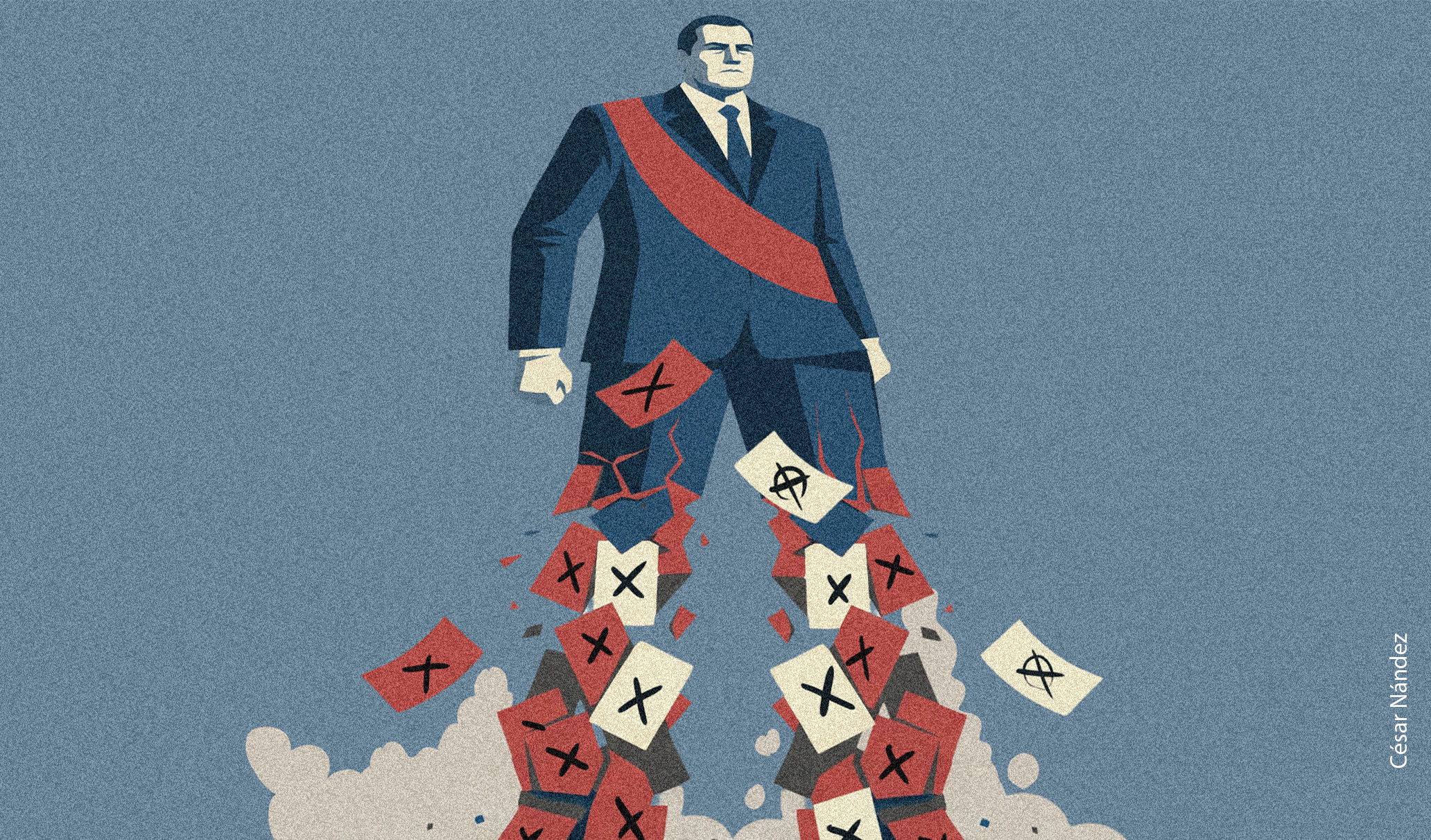
International politics functions like a theatrical play: it organizes narratives, defines characters, and establishes climaxes, generating a permanent dialogue with its audience. This imaginative dimension shapes perceptions and guides specific ways of understanding armed conflicts. Through games of simulation and dissimulation, an interpretive horizon is constructed that legitimizes practices, naturalizes interventions, and stabilizes readings. It is within this relationship between stage, backstage, and audience that a scenario marked by institutional paralysis, multilateral regression, and the deepening of imperial practices is consolidated—anchored in an international law that is corroded and selectively mobilized. Act (1): Regional organizations, multilateralism, and international law First, the ineffectiveness of regional organizations such as UNASUR becomes evident, as they are unable to function as autonomous instances of political coordination and conflict containment. In parallel, we witness the hollowing out of post–Second World War liberal multilateralism, replaced by a logic of exception, unilateralism, and discretionary use of force. This process is aggravated by the United States’ refusal to submit to the Rome Statute, as well as by the American Service-Members’ Protection Act, which institutionalizes legal exceptionalism by preventing U.S. citizens from being tried by the International Criminal Court. This reveals a hierarchical international legal system, deeply asymmetric and far...
Without rules, the rule of the global gendarme
Beneath yesterday’s moral rhetoric and Trump’s barefaced cynicism today, the powers once again lay bare an uncomfortable truth: without rules or disguises, the United States presents itself as a global gendarme in the service of its own interests.
The first victim of the Trump corollary: Venezuela
Donald Trump’s electoral victory for a second, nonconsecutive term was seen by Venezuelans—inside and outside the United States—as the last opportunity to achieve a political transition in Venezuela. Once again, the hope of millions of Venezuelans to return to democracy was placed in the hands of the U.S. president. However, Trump had other plans. Winning the Hispanic vote in South Florida is no longer a priority for the Republican Party. In the 2024 electoral campaign, after having been used as a proxy for the Cuban-American bloc in 2020, Venezuelans became the target of continuous attacks within the context of Trump’s anti-immigration campaign message. In a state that is a safe bet for the Republican Party, the criminalization of Venezuelan immigrants—far from provoking rejection among Cuban and Venezuelan diasporas—found broad support. Among the first measures of the new Trump administration was the issuance of a series of executive orders to curb irregular immigration. One of the migrant communities most affected by this decision was the Venezuelan one, with the designation of the Tren de Aragua as a terrorist organization, since nationality alone became sufficient to criminalize Venezuelans in the United States. In this context, one of the most controversial episodes in the political...
Why Paraguay matters so much to China, Taiwan, and the United States
Paraguay, despite its size and remoteness, has become a key piece in the geopolitical dispute between China, Taiwan, and the United States, as it is the only country in South America that still diplomatically recognizes Taipei.
Against the usurpers: whether dictators or imperialists
The Venezuelan crisis does not mean to choose between the Chavista authoritarian rule and unilateral imperial intervention from the U.S. Both represent unacceptable forms of usurpation of sovereignty and democratic will.
Chavismo without Maduro: survival, negotiation and power in a new geopolitical scenario
Nicolás Maduro's forced exit doesn't spell the end of Chavismo, but rather the beginning of a survival strategy based on internal cohesion, negotiation with the United States, and adaptation to a new geopolitical order.