Rio de Janeiro, Lisbon, New York and Berlin. In 2021, I wrote about the possibility that healthy coalitions in Brazil, along the lines of Portugal’s geringonça, could pave the way for the defeat of right-wing extremism in Brazil. Today I am writing again to reaffirm the same thesis and to observe how well it has stood the test of time.
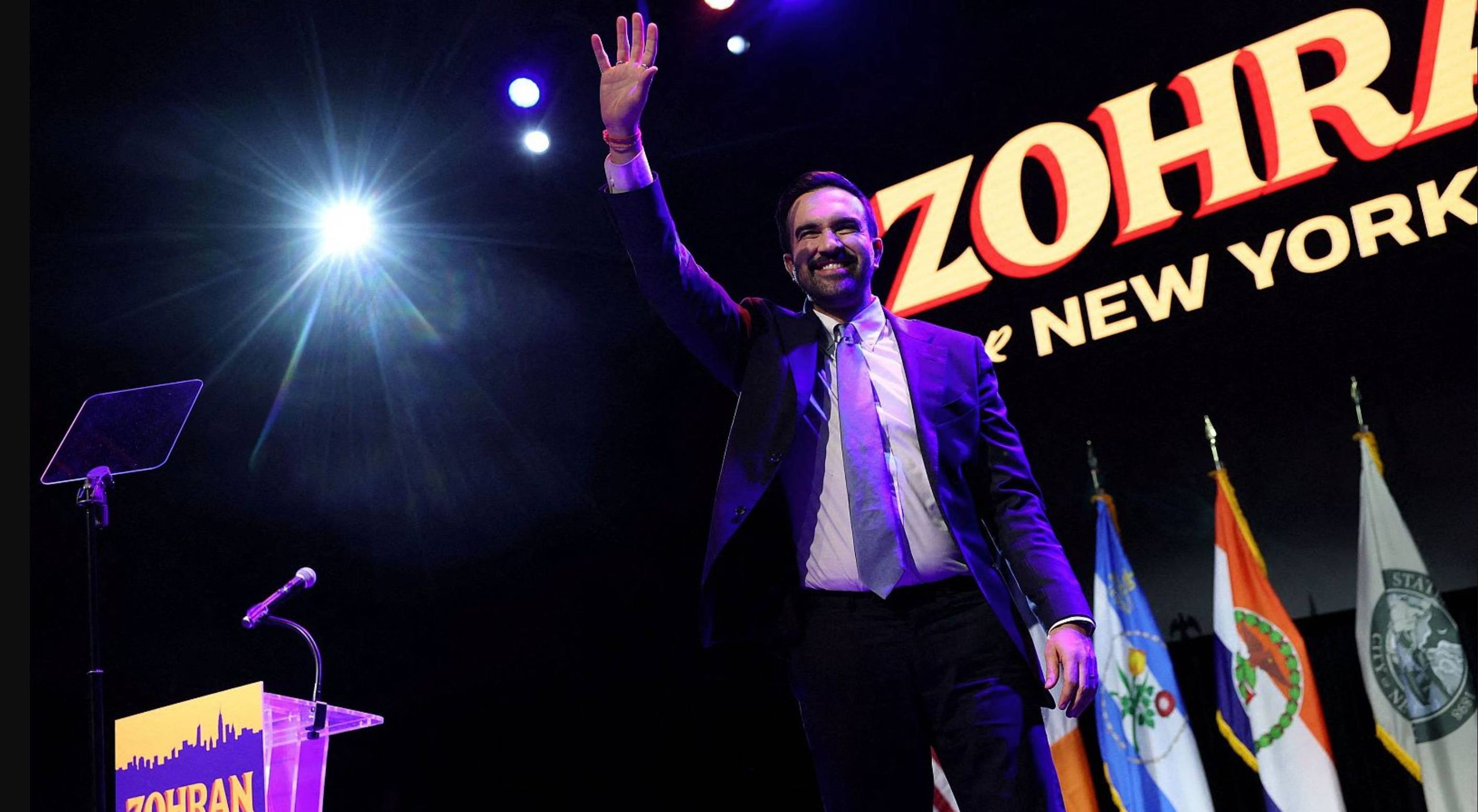
Eduardo Paes in Rio de Janeiro; Zohran Mamdani in New York; Elif Eralp and Die Linke in Berlin; Carlos Moedas in Lisbon; and Pedro Duarte in Porto, both from the PSD in that country. Recalling the terms used by Silva Jardim in Memórias e viagens (1891), there is an “electric sympathy” among those who, in cities, work for a democratic society.

In a campaign that appealed to moderate voters, socialist António José Seguro was elected president of Portugal in February 2026. A former secretary-general of the center-left Socialist Party (PS), Seguro won more than 66% of the vote and comfortably defeated candidate André Ventura, leader of Chega, Portugal’s radical right-wing party, who ran on a strongly anti-immigration platform, a common feature of the European far right. The right there did not win more than 33% of the vote in the election.
Large cities, urban conglomerates and their internationalist experience show us how, in environments hostile to the rule of law and democracy, social democracy is strengthened through coalitions and concerted dialogue around moderation.
In Brazil, surviving COVID-19, in a context of criminal negligence by the federal government under Bolsonaro, made resistance in the cities pulse. Rio de Janeiro’s history was particularly critical. Under Cláudio Castro’s fascist, lethal and corrupt policies, and in the face of Marcelo Crivella’s acquiescence and inaction, vulnerable populations faced a double possibility of death: through the extermination resulting from violent repression operations and through the disease itself.
And it was in this context of denialism on the part of government representatives and abandonment in the struggle for their own survival that the people of Rio experienced firsthand the strengthening of Eduardo Paes’s return. An ally of then-President Lula, in that hostile context, he was elected in 2020 in what he called a “victory for politics” against radicalization. At the time, Paes won in all 49 electoral zones in the city and received nearly twice as many votes as his pro-government opponent in the runoff, Marcelo Crivella (Republicanos), who was seeking reelection. The possibility of reelection in Brazil, as we know, is a strong national tradition.
But the road is not easy. We know that winning in the major cities does not mean reaching the interior of the states, which are historically conservative and accustomed to the centuries-old dynamics of large landholdings and their local heirs throughout the country.
This year, we see Eduardo Paes leading strongly in Rio de Janeiro, now not only in the city but also in the state. And this is relevant precisely because of the global nature of the imperialist interventionism we are experiencing. Eduardo Paes not only represents the concrete opposition of social democracy in Rio de Janeiro, considering all the criticism that the left and right may level against him. It is the defeat of Bolsonarismo in its place of origin, where memories of dictatorship, torture, illegal executions and extermination remain alive. Remnants of the slaveholding past, authoritarian practices and the dictatorial logic of extermination.
Voting for Paes is the commitment of the people of the city of Rio de Janeiro state against the logic of the “shot to the head,” which perversely equates police action with crime, reinforcing the logic of violence, corruption, militias and criminality. It is more than that: in times of interventionist outbursts and tariffs imposed by Donald Trump against Brazil’s sovereignty, it is an additional guarantee that we will not become a stage subjected to the Hobbesian persecutory discourse surrounding “terrorism.” The people of Rio know well where the supposed “right of the strongest” leads and what lawless lands mean, which always have a “boss” of the moment.
In other words, history confirms and offers us recent examples that the democratic forms of large cities and healthy coalitions defeat right-wing extremists. And that, when voting, Brazilian citizens must weigh their choice carefully and not forget that, over time, reactionary countermovements have always sought to erase the electric sympathy of those who dream of a fairer, more prosperous and less unequal country.
Autor

Profª. de Ciencia Política de la PUC-Rio y del Programa de Posgrado en C. Sociales, de la UFRRJ. Doctora en C. Sociales (PUC-Rio). Miembro de la Red de Politólogas #NoSinMujeres.