Ideas
Order by
The invisible map of inequality: What child malnutrition reveals in Latin America
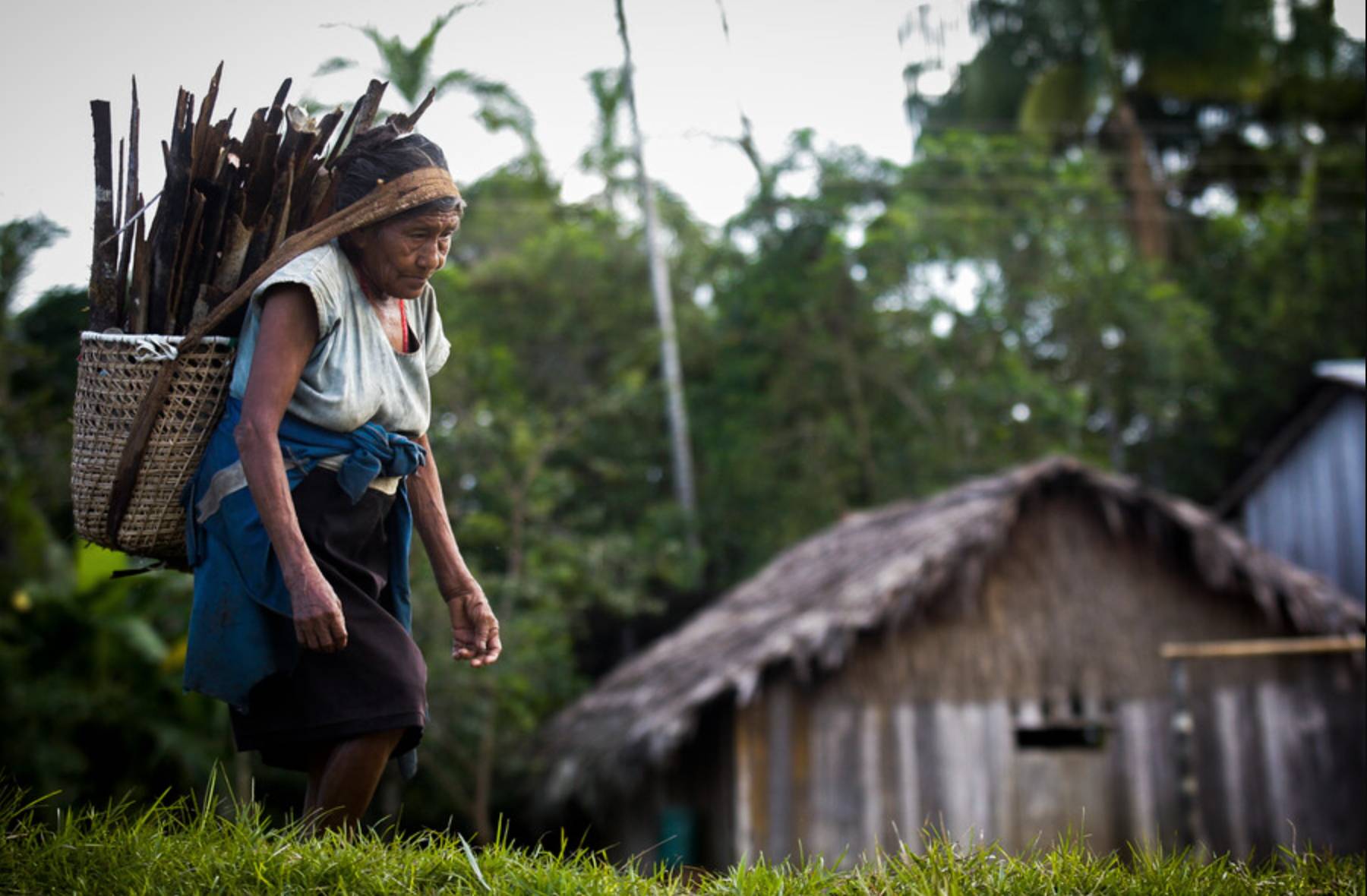
Chronic child malnutrition is often understood as a problem of food and nutrition. However, it also reveals something deeper: the territorial inequalities that shape opportunities to grow up healthy in Latin America. When countries with similar geographies and challenges achieve very different outcomes, the explanation lies not only in the territory itself, but also in political decisions and in how each state organizes social protection. Imagine seven children born in the same year, one in each of these countries: Argentina, Bolivia, Chile, Colombia, Ecuador, Peru and Venezuela. None of them chose where to be born. None decided the conditions of the health system that would receive them, the quality of the water they would drink or the educational opportunities available to their families. Yet their first thousand days of life began to follow different trajectories. The first thousand days of life determine a significant part of a child's future. During this period, nutrition, primary healthcare, access to safe water, sanitation, maternal education and social protection interact. When any of these elements fails, the consequences can follow a child throughout their life. The difference between these seven children is also reflected in the outcomes their countries have achieved. With five years remaining until...
Washing one’s hands by blaming China
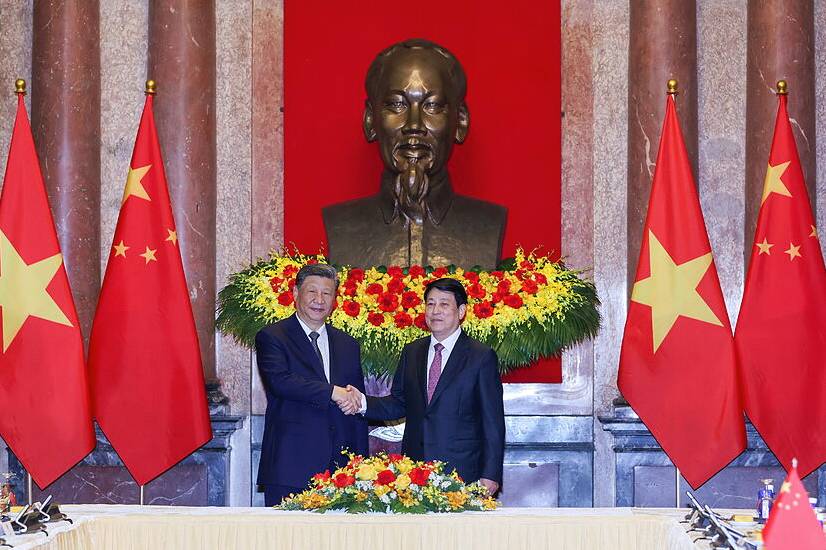
The West blames China for its industrial weaknesses, but it would do better to learn from China’s investment, planning, and long-term policies—lessons far more valuable than trade wars and anti-China rhetoric.
Financial Redundancy: The New Architecture of Development Finance
As global development finance becomes increasingly fragmented, developing countries are seeking to establish alternative channels to secure the flow of capital. Yet this financial redundancy also brings risks: rising debt burdens, greater administrative complexity, and a persistent dependence on the world's leading reserve currencies.
How far can U.S. pressure on the Cuban regime go?
The Cuban regime’s deepest crisis coincides with a strategy of maximum pressure driven by Washington. The objective is to force a political transition, but the use of force no longer appears to be an implausible scenario.
The challenge of artificial intelligence for democracy
Artificial intelligence is already transforming democracy, and the great challenge is to ensure that it strengthens—rather than undermines—the integrity of electoral processes and democratic institutions.
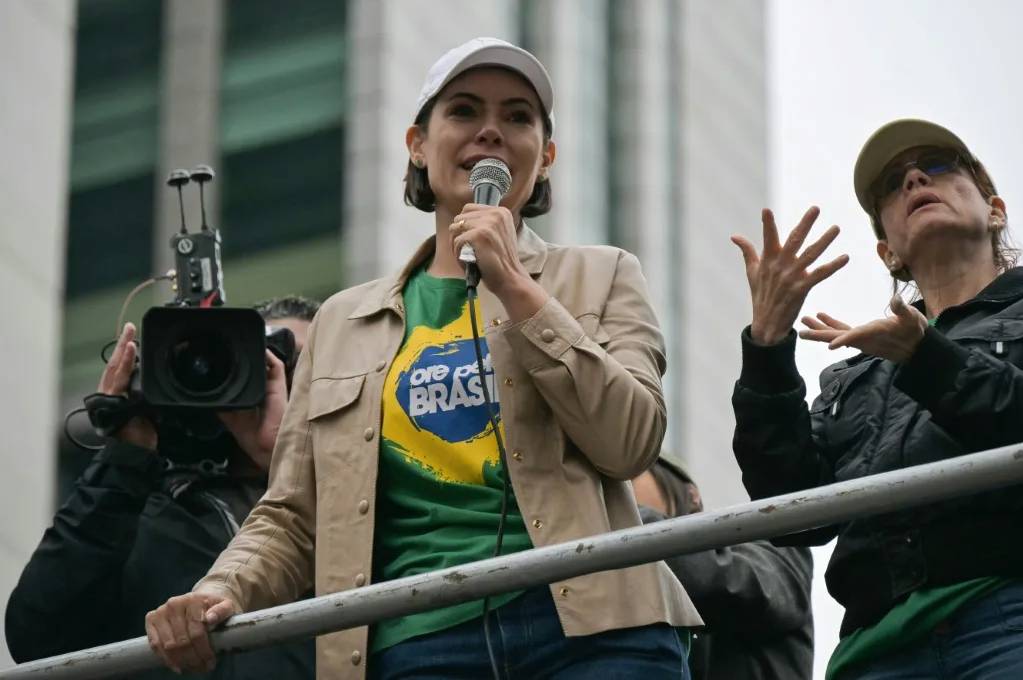
De la Espriella and greater North America
Abelardo de la Espriella’s victory in Colombia strengthens the advance of the right across Latin America and brings Bogotá closer to the hemispheric project promoted by the United States.