The trafficking of synthetic drugs is a crime that crosses borders and generates enormous profits that are regularly laundered through tax havens and the formal economies of emerging countries.
This dynamic creates structural distortions with high social costs, which is why it is considered a transnational crime under international treaties and laws, including the United Nations Convention against Illicit Traffic in Narcotic Drugs and Psychotropic Substances and the United Nations Convention against Transnational Organized Crime. More recently, the United States has incorporated measures such as the Controlled Substances Act and the Fentanyl Sanctions Act against criminal organizations, while Mexico has enacted the Federal Law against Organized Crime.

These laws are binding on all countries that are signatories to treaties aimed at combating this offense whenever there is evidence that an individual or organization produces, distributes, or traffics any type of drug. There are no excuses for failing to act, under penalty of sanctions.
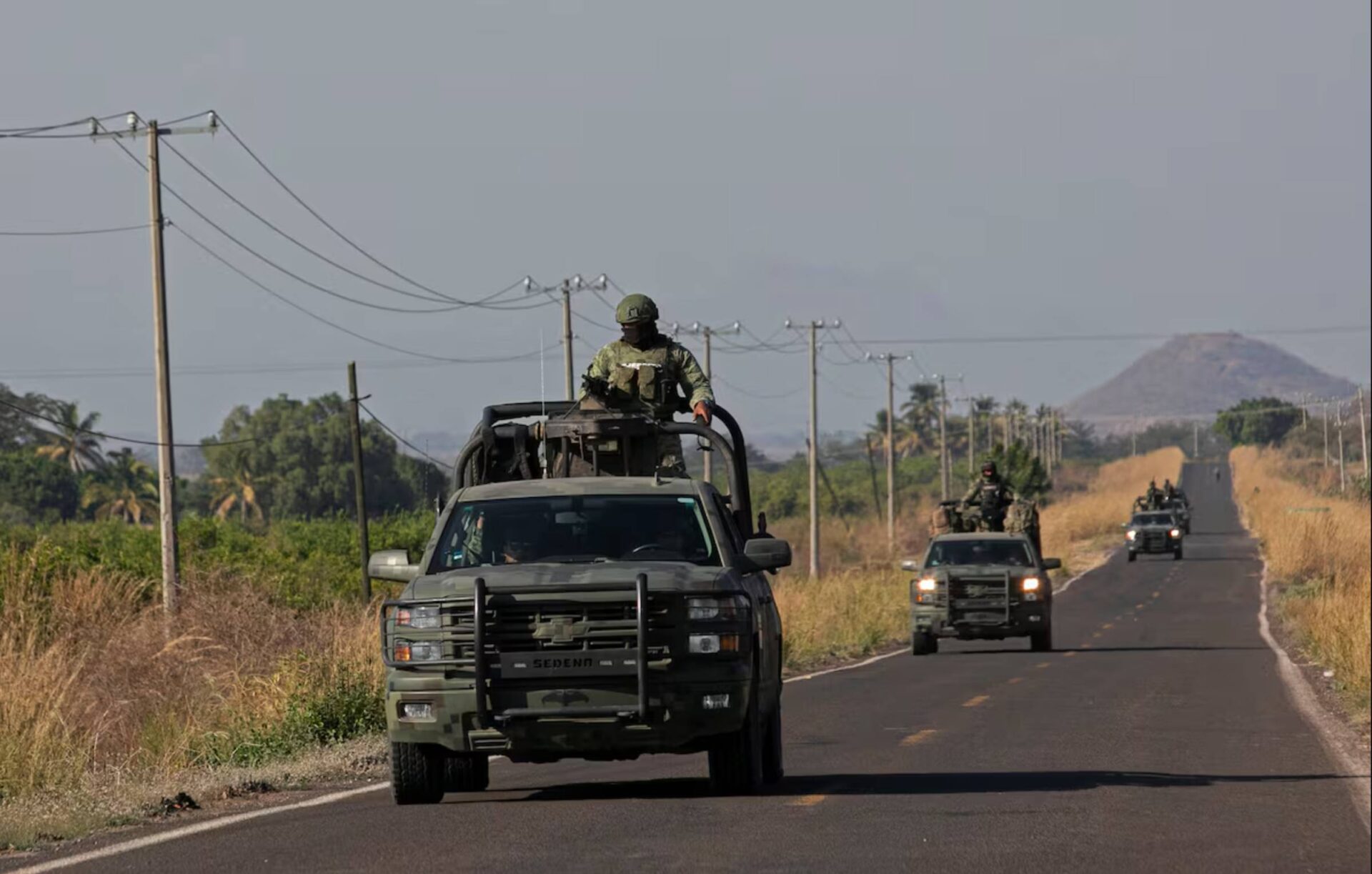
Mexico is currently experiencing an extraordinary case stemming from the Sinaloa affair, which involves a request by the United States Department of Justice for Mexico to provisionally arrest, for purposes of extradition, the licensed governor of Sinaloa, Rubén Rocha Moya, along with nine other current and former officials, so that they may stand trial before the U.S. Attorney’s Office for the Southern District of New York.
This is the same prosecutor’s office that, in recent years, has prosecuted and convicted major leaders of the Sinaloa Cartel. What makes the case exceptional is that Mexico’s president, Claudia Sheinbaum, has demanded sufficient evidence to justify the arrest of the officials before taking action, even though the request was made in accordance with the terms and timelines established by the Extradition Treaty in force since 1980.
While President Sheinbaum is demanding evidence from the Department of Justice through diplomatic channels, two of the officials named in the request—a general and a civilian—have decided to appear before the U.S. justice system to face the charges, which were deemed credible by a Grand Jury, and are now at the disposal of the New York court.
What is surprising, however, is not the voluntary surrender of the individuals responsible for the finances and public security of the Sinaloa government, but rather the strategic shift adopted by the president. Sheinbaum has not complied with the request, which is already in the hands of Interpol, and has moved from demanding evidence to invoking the discourse of national sovereignty, even though many argue that the greatest threat to sovereignty is not the United States but the mafia-style capture of territories and institutions.
This has been interpreted as a protective shield for officials affiliated with President Sheinbaum’s party, who are also accused of collaborating with the Sinaloa Cartel and of using its financial and coercive resources to win local elections in 2021, particularly in Sinaloa, where Rocha Moya achieved an unprecedented victory.
These elections may not seem especially relevant in a country with a long tradition of ties between politics and criminal organizations. However, they are significant because the Sinaloa Cartel is considered a terrorist organization due to its trafficking of fentanyl into U.S. territory—a drug classified under U.S. law as a “weapon of mass destruction” and responsible for approximately 100,000 deaths each year.
The old paradigm—that those responsible for drug trafficking and accountable before the courts were only those involved in the production, transportation, and distribution of drugs of any kind—has changed and is no longer sufficient. The new paradigm in bilateral relations now includes those who provide strategic support from within public institutions.
This shift has caused a political earthquake within the ruling party and, particularly, within the presidency itself, which until this request had been highly receptive to U.S. demands for the extradition of dozens of cartel leaders. Evidence of this can be seen in the fact that, over the past year, Mexico handed over 92 traffickers who were serving sentences in Mexican prisons.
However, the issue of alleged narco-politicians posed, for many observers, a demand that was difficult to accept because many party members and officeholders may have entered into agreements with one or another transnational cartel. Extraditing them, as requested, could jeopardize the political project known as the Fourth Transformation. Worse still, if no response is forthcoming, the Trump administration could label Morena a narco-party, with potentially unpredictable consequences at a particularly difficult moment for the country.
Ultimately, the answer to the question posed in the title goes beyond either of the two options. It involves elements of international law, geopolitics, and even public health, requiring President Sheinbaum’s commitment to the country rather than to those who may have struck deals with drug-trafficking organizations.
Autor

Professor at the Universidad Autónoma de Sinaloa. D. in Political Science and Sociology from Universidad Complutense de Madrid. Member of the National System of Researchers of Mexico.