Environmental care is a political and collective practice, carried out primarily by women, that intertwines the reproduction of life with the protection of degraded territories. This concept makes it possible to highlight responses that incorporate the environment as a fundamental dimension of care—one that has historically remained invisible and unpaid. Its relevance is key to understanding the role of Latin American women in the face of the climate crisis and in areas such as public health.
Crisis, health and care in Latin America
The emergence of COVID-19 made it clear that addressing health problems requires taking into account a multiplicity of factors. In 2020, we were not facing a pandemic so much as a syndemic. According to anthropologists Merrill Singer and Bárbara Rylko-Bauer, a syndemic refers to the synergy between a virus, other health conditions, and social afflictions in a combination that had a particularly severe impact on the realities of socially vulnerable groups. At the same time, as documented by ECLAC, women absorbed the greatest burden of care work. In large cities, this overload was especially harsh for those living in situations of urban marginalization.

In Latin America, care responsibilities fall disproportionately on households and, more specifically, on women, who devote three times as much time as men to these tasks. The map of the care economy is characterized by high levels of labor informality and pronounced intersectional inequalities, which are exacerbated when combined with factors such as ethnicity, age, and socioeconomic status. These dynamics particularly affect rural and poor women who lack the resources to outsource care work.
In addition to working in care-related activities, once they return home women must invest more time and money in supporting family and community members with health conditions. In terms of prevention, everything becomes more difficult in contexts where adequate nutrition, time for medical checkups, and available resources are scarce.
This care crisis is further intensified in contexts of urban marginalization and environmental degradation, where the lack of basic infrastructure—such as running water or sanitation—makes this work even heavier and riskier for both the actions and bodies of caregivers.
In large Latin American urban agglomerations, economic exclusion has consolidated a structural model that critical epidemiology characterizes as “unhealthy,” as it restricts the right to health of segregated populations. Ecological risks—such as water pollution, chronic dumping sites, and deficient infrastructure—are unevenly distributed across cities, generating multiple forms of socio-environmental injustice. Under this logic, degraded environments are not merely physical settings; environmental crises are embodied in the “body-territories” of segregated populations, shaping their processes of health, illness, and death. Environmental threats thus form part of a structural violence that determines who is most exposed to falling ill and under what conditions life must be sustained.
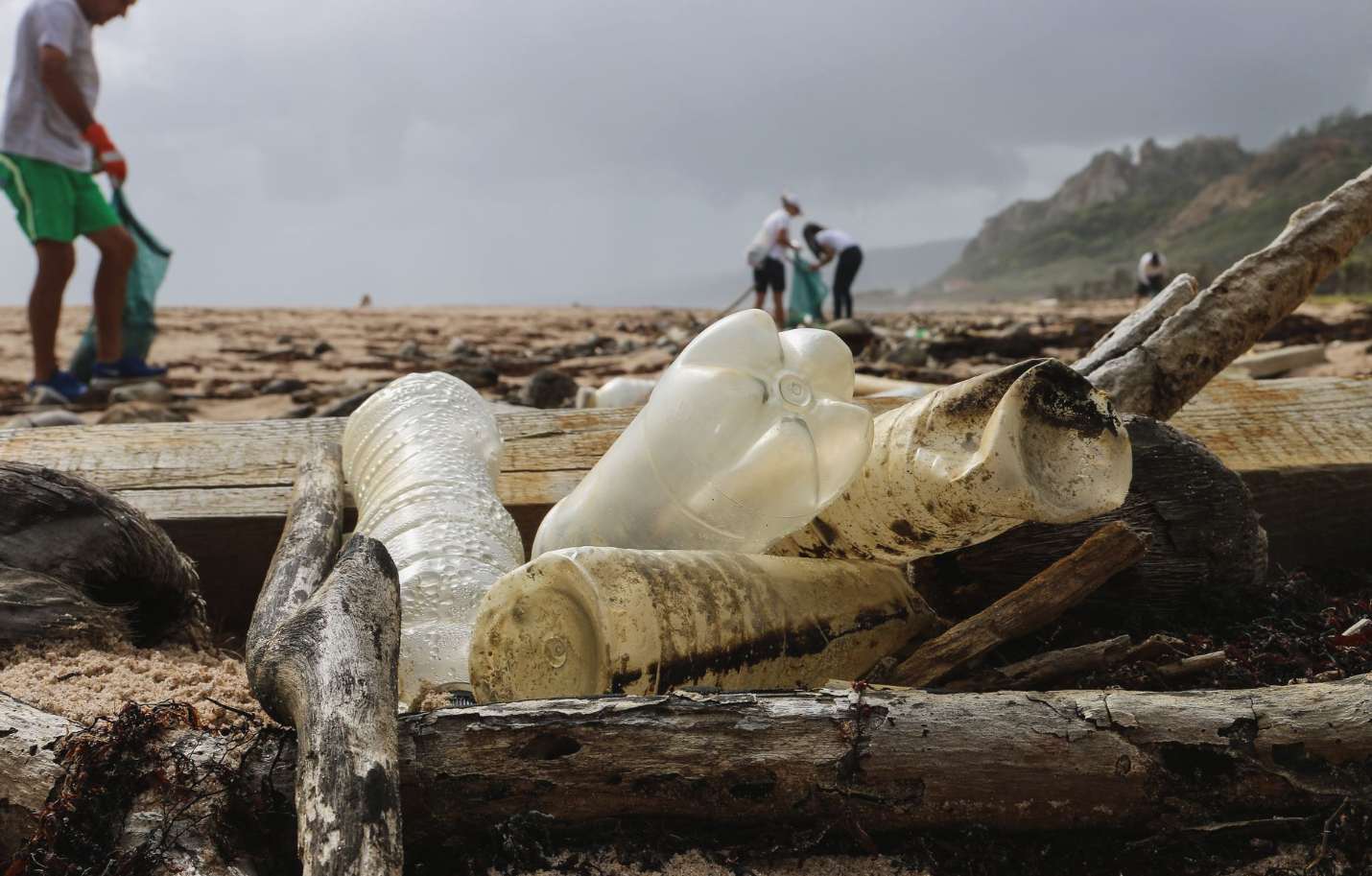
A significant example of environmental injustice is the Reconquista Area (RA) in Greater Buenos Aires, Argentina. This territory, marked by its proximity to the CEAMSE Norte III landfill complex and the polluted Reconquista River basin, illustrates how urban segregation confines vulnerable sectors to degraded environments. There, many families have built their homes on wetland soils they managed to access, filling them with debris and garbage to raise the land and avoid flooding—a difficult task in the face of increasingly intense rainfall driven by climate change, insufficient garbage collection from drainage ditches, and the river’s historical presence. Residents live alongside gas emissions—such as methane—and strong odors from the landfill, as well as smoke from the burning of cables in chronic neighborhood dumps. These conditions cause concrete health impacts: chronic respiratory problems such as chronic obstructive pulmonary disease (COPD), diarrhea from contaminated water, and severe dermatological lesions among children.
In these scenarios, women are the most exposed. Because they spend more time in their neighborhoods, their contact with chronic dumping sites and pollutants is greater than that of men. In their role as caregivers, they are the first to detect environmental risks through the health problems of those they care for. From these care activities, women not only recognize and act upon the impacts of the environment on people and their territories, but also occupy a key position in responding to today’s climate crises.
Environmental care: essential yet still invisible work
The caregiving work performed by women from multiple marginalized sectors—such as those in the Reconquista Area—is not confined to the walls of their homes or the upbringing of their own children. It involves collective action that sustains the well-being of the entire neighborhood. Through community care spaces and neighborhood councils, these women engage in maintaining soup kitchens, providing educational support, offering protection against violence, cleaning streets, plazas, and streams, organizing junk-removal campaigns, recycling waste, maintaining community gardens, and advocating for the expansion of basic service networks, among many other tasks.
In these contexts, the importance of environmental care becomes clear—not as care directed in isolation toward the environment, but as a political and collective practice that intertwines the reproduction of life with the protection of degraded territories. This concept makes visible responses that, operating under domestic and community logics, incorporate the environment as a fundamental dimension of care that often remains invisible and unpaid. By expanding care beyond the domestic sphere, it becomes evident that well-being in contexts of segregation depends on a situated form of agency that links people and territories. This helps explain both women’s knowledge of the climate crisis and their central role in activating collective initiatives in the absence or insufficiency of public policies.
These tasks demand recognition and the professionalization of care work, with decent wages and rights. Moreover, the voices of these women’s collectives call for a dialogue of knowledge that validates their situated expertise in managing degraded territories. Through environmental care, they demonstrate that well-being cannot be separated from territorial conditions. Ignoring this link only deepens socio-environmental injustices and hinders any real solution to the care crisis, since there can be no sustainability of life without a healthy and dignified environment to inhabit.
*Machine translation, proofread by Ricardo Aceves.
Autor

PhD in social anthropology from UNSAM. Co-coordinator of the Research Program “Migrants in Reconquista” (IDAES-UNSAM) and co-coordinator of the Epistemology and Pedagogy group in the international network The Global (De)Centre.