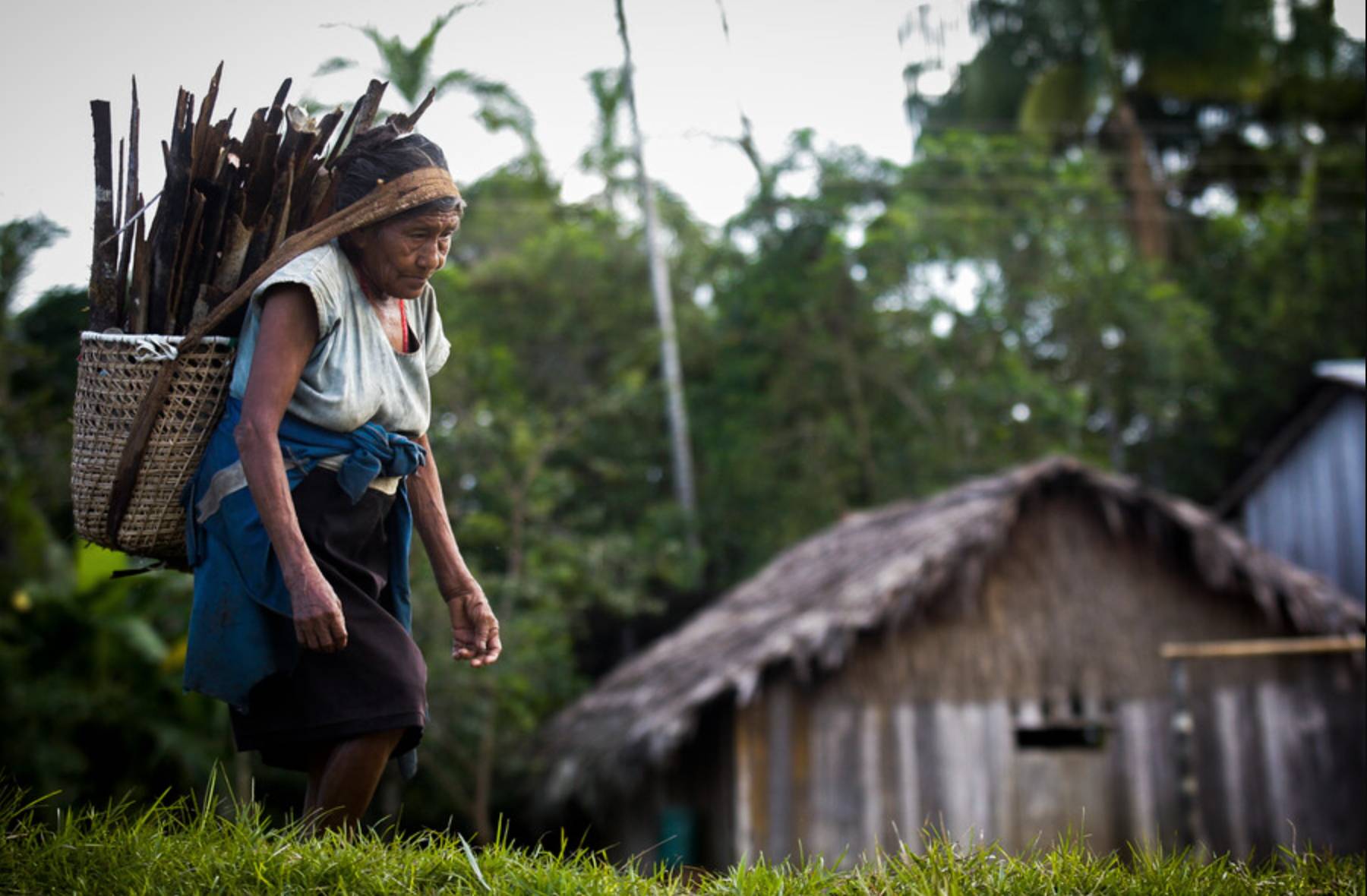
In recent years, Columbus Day has been replaced with a recognition of the Indigenous resistance to European colonization in the Americas and urges states to protect Indigenous rights. Despite progress in recognizing Indigenous peoples’ right to self-determination, their sovereignty remains under siege. Mayan scholar Giovanni Batz argues that Indigenous lands in Guatemala have endured four invasions: colonization, post-independence expropriation, state violence during armed conflict, and extractive dispossession. Illicit economies and transnational criminal networks may well constitute a fifth wave of encroachment on Indigenous sovereignty, as organized crime now ranks among the greatest threats to Indigenous autonomy and survival in Latin America. Meeting this challenge requires urgent, proportionate and tailored policy tools that center Indigenous experiences, knowledge and sovereignty.
Criminal encroachment on Indigenous territory
Fueled by rising commodity prices, Latin America’s extractivist boom that began in the early 2000s posed serious challenges to Indigenous sovereignty. As transnational and domestic firms expanded large-scale extraction into territories inhabited by Indigenous communities, many of the environmental and social costs were born locally. Mining, agribusiness, and other extractive activities degraded ecosystems on which communities depended and threatened established livelihoods. Although domestic and international legal frameworks recognized rights such as free prior informed consent, these protections were frequently bypassed, reduced to procedural formalities, or accompanied by the criminalization of protest.

Yet even where these protections proved weak, extractive industries operated within a legal and institutional architecture that gave Indigenous communities at least some avenues for contestation. Instruments such as ILO Convention No. 169, domestic consultation procedures, corporate responsibility standards, and sector-specific initiatives created mechanisms—however imperfect—for challenging encroachment on ancestral lands. The expansion of organized criminal groups into Indigenous territories presents a new problem.
Criminal economies may overlap with legal extractive industries but pose a distinct threat. The extralegal nature of their criminal operations does not subject them to international scrutiny or standards for protecting Indigenous autonomy. Beyond fueling environmental destruction, organized criminal groups (OCGs) often seek a coercive monopoly over territory, undermine local authority, threaten or kill environmental defenders, and even recruit Indigenous children. The presence of OCGs in Indigenous land triggers dynamics of criminalization of communities by state authorities, who treat them as criminal accomplices instead of citizens living under coercion.
Because these activities are deliberately extralegal and often involve the de facto governance of territory, they do not fit neatly within the regulatory frameworks developed to govern relations among states, corporations, and Indigenous communities.
Criminal de facto governance and Indigenous sovereignty
Organized crime does not only pass through Indigenous territories. In many places, it governs them. Criminal governance takes hold when armed groups set the rules of daily life. Indigenous sovereignty cannot survive where community leaders and citizens must operate under the shadow of armed groups. The state may still be present, but its authority is hollow when officials are unable—or unwilling—to protect Indigenous communities.
The Amazon shows the scale of the problem. Illegal activities have turned parts of the region into strategic hubs for criminal economies while state responses have lagged or even actively undermined anti-crime strategies. The effects run far beyond environmental damage: criminal groups weaken the collective institutions that allow communities to protect their territory and sustain their way of life. Indigenous peoples have responded by organizing territorial guards and expelling illegal miners, often at grave personal risk.
In Honduras, drug trafficking has followed a similar path. Traffickers and their allies have acquired Miskito land, cleared forest, fenced off cattle ranches, and used the region’s isolation to move cocaine north. Indigenous leaders connect this process to the co-optation of local institutions and the dispossession of Indigenous communities. Too often, communities living under this coercion are treated as complicit rather than as citizens abandoned by the state and criminalized by state officials. That stigma further weakens their ability to defend their rights and exercise self-government.
Towards a security agenda that strengthens Indigenous governance
The region’s growing insecurity has created a strong temptation to militarize public security, often at the expense of democratic safeguards and Indigenous rights. Indigenous sovereignty and public security should not be treated as competing goals. A durable response to criminal governance must strengthen both.
Governments should treat Indigenous authorities as security partners. Territorial security plans must be designed with recognized Indigenous governments, women leaders, and youth—not imposed by municipal officials or police alone. This means investing in their existing capacity to identify risks, and creating avenues to share intelligence safely, and coordinate responses without exposing leaders to retaliation.
Security policy must follow the money, not only the gun. Investigations should target the financial networks linking illegal activities to money laundering. Beneficial-ownership rules, commodity traceability, and financial-intelligence capacity can identify the economic but also political actors that actively benefit from the invasion of Indigenous land.
Protection must also extend to communities, not only individual leaders. Secure communications, transport, community early-warning systems, culturally appropriate justice, and safeguards for those who report crime can help Indigenous communities defend their territories without having to face criminal groups alone.
This agenda is not new. In 2026, more than forty Indigenous organizations from across the Amazon called on governments and international institutions to confront organized crime by strengthening Indigenous territorial governance, protecting defenders, tackling corruption, and targeting the financial structures behind environmental crime. Their demands offer a clear starting point. The Day of Indigenous Resistance should be more than a day of remembrance: it should renew the commitment to protect the communities resisting criminal encroachment today. Indigenous sovereignty is not an obstacle to security policy. It is one of its strongest assets.
Autor

Advisor at Pan-American Strategic Advisors (PASA) and Assistant Professor of Political Science at DePaul University. Holds a PhD in Political Science and Peace Studies from the University of Notre Dame.