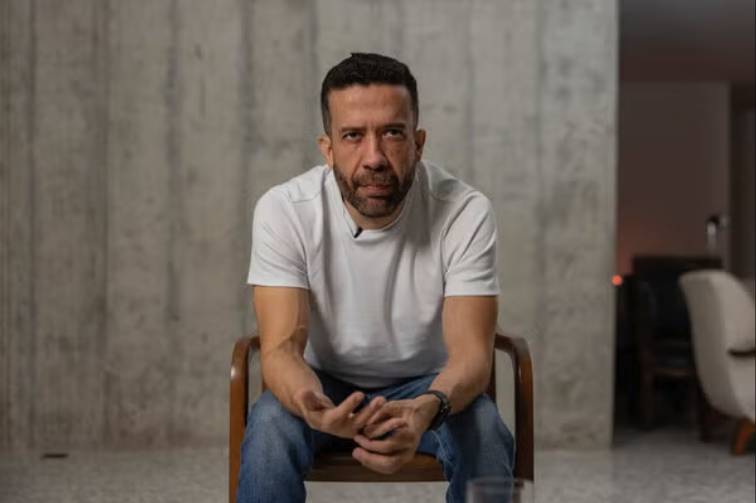
In the WhatsApp channel “Lula’s Army,” messages from André Janones arrived at all hours. “Urgent!” the Brazilian federal deputy would announce before assigning new “missions”: share campaign content, spread hashtags such as #ComLulanaRua, and avoid engaging with posts from the far right. He also celebrated his followers’ progress and demanded that certain materials be widely circulated across social media. The aim was to compete for attention on digital platforms during the second round of Brazil’s presidential election.
Following Luiz Inácio Lula da Silva’s defeat by Flávio Bolsonaro in the first round on October 4, 2026, Janones strengthened the community he had created in April. He sought to expand the reach of content produced by the president and his allies, mobilize existing supporters, and persuade undecided voters to cast their ballots on October 25. The campaign was at a disadvantage in terms of visibility compared with Bolsonarism, amid reports that Meta had acknowledged interference with Lula’s posts.

Janones, a lawyer and federal deputy from Minas Gerais, has more than nine million Instagram followers. He rose to prominence during the 2018 truckers’ strike and, in 2022, withdrew his presidential candidacy to help manage Lula’s digital communications. In 2026, his “army” became one of the symbols of the electoral comeback, alongside street mobilization, the spontaneous participation of university students, and a decline in abstention and invalid votes.
The strategy was based on the recognition that posting more content did not necessarily translate into greater reach. According to data from DSC Lab cited by specialist Javier Toret, before the first round Lula published more posts on Instagram than Bolsonaro, but each post by his rival generated 2.4 times as many interactions. The contest was not simply about producing messages, but about understanding how they circulate and gain visibility.
Philosopher Rodrigo Nunes uses the term “political entrepreneurs” to describe figures capable of turning the attention they attract on social media into a resource for mobilization. In Brazil, this dynamic has particularly benefited far-right representatives, some of whom built careers as influencers before entering institutional politics. Platforms also facilitate the spread of radical rhetoric that appeals to fear, outrage, and moral panic to attract engagement and new audiences—one of the main narrative drivers of this ideological camp.
Janones exploited those same dynamics, but with a different political orientation. Through WhatsApp, he proposed simple, coordinated actions: share videos, promote hashtags, and bring more participants on board. His messages, often written in capital letters and accompanied by emojis, combined urgency, enthusiasm, and shared goals.
The organization also changed the role of supporters in the campaign. Rather than simply receiving propaganda, participants became distributors of content, able to replicate messages within their personal networks and spark new conversations. This coordination between a WhatsApp community and open platforms such as Instagram helped connect different spaces of circulation.
On October 25, the channel surpassed ten million subscribers. Although this figure does not establish a direct link to the election result, it illustrates the scale the initiative had reached. Lula’s opponents filed a complaint with the Superior Electoral Court, alleging the dissemination of disinformation and requesting that the channel be suspended. After reviewing the case, the court rejected the request, although it required the channel to be formally registered as a campaign tool.
The digital offensive emerged after years of difficulties in the government’s communications strategy. In December 2024, Lula publicly acknowledged his mistakes in this area. He subsequently brought in advertising executive Sidônio Palmeira to head communications and devoted greater attention to the language and formats of social media. In 2025, a significant share of government advertising expenditure went to digital platforms, particularly Google and Meta.
Nevertheless, the first-round result showed that these adjustments were not enough. In the weeks that followed, the campaign turned to vertical videos, selfie-style recordings, livestreams, and audio messages sent through WhatsApp. Young lawmakers and other activists also helped bring the president closer to his supporters and connect digital initiatives with street mobilization.
According to data from the Bites agency, by October 17 Lula had generated 3.5 times as many social media interactions as Flávio Bolsonaro. This reversal revealed a significant shift in the ability of his messages to circulate, although digital metrics alone cannot explain an electoral victory.
The contest extended beyond algorithms. One of the “Lula’s Army” missions encouraged citizens to post personal photographs of themselves wearing the green and yellow colors of the Brazilian flag, symbols that Bolsonarism had appropriated for years.
The demonstrations also produced unexpected images. At a rally on Avenida Paulista, a young man carrying a Palestinian flag and signs supporting Lula became a viral sensation under the nickname “gostoso da Paulista” (the handsome guy from Paulista). Other demonstrators copied his style, showing how humor and desire can become part of political expression.
Lula ultimately won 51% of the vote, securing more than 64 million ballots—around ten million more than in the first round. Abstention declined, and the comeback produced an unprecedented result since the restoration of democracy. The role of digital mobilization should be understood alongside other political and social factors, rather than as the sole cause of the outcome.
The experience offered a lesson for the Brazilian left and left-wing movements elsewhere: political communication is not limited to conveying policy proposals. It also requires competing for visibility, building emotional connections, activating forms of participation, and reinterpreting collective symbols. The same platforms that can amplify hate speech also offer opportunities for organization and response, although their inequalities and commercial rules continue to shape public debate.
As semiotician Paolo Demuru has argued, the left needs to bring utopia and reality together. The 2026 campaign showed that this challenge also plays out through emotions, language, and the ways people imagine shared futures.
Autor

Professor at Escola Superior de Publicidade e Marketing, ESPM (São Paulo). Coord. of the research group Interculturality, Citizenship, Communication and Consumption. Researcher at the Institute of Communication of the Autonomous University of Barcelona.

Postdoctoral researcher (CNPq) at the Institute of Communication of the Autonomous University of Barcelona (InCom-UAB). Member of the research group Deslocar (ESPM, Brazil). Journalist and editor for the digital magazine *OnCuba News*.