The climate crisis is no longer merely an environmental issue. It is now a discussion about what we put on our plates, how much it costs to eat healthy food, and who survives when health and food systems collapse at the same time. The Global Nutrition Report 2026, released on May 28, warns that 2.6 billion people cannot afford a healthy diet and that climate change is simultaneously weakening food and health systems. In Latin America and the Caribbean, a region marked by deep inequalities, this convergence threatens decades of progress in nutrition and public health.
The report advances a powerful idea: crises no longer arrive alone. Droughts, inflation, conflicts, pandemics, and disease overlap like falling dominoes. The authors call this phenomenon a “polycrisis.” When a drought destroys crops, food prices rise. When prices increase, families replace fruits, vegetables, and proteins with cheaper, ultra-processed products. Health systems then absorb the consequences in the form of anemia, obesity, diabetes, or child malnutrition.

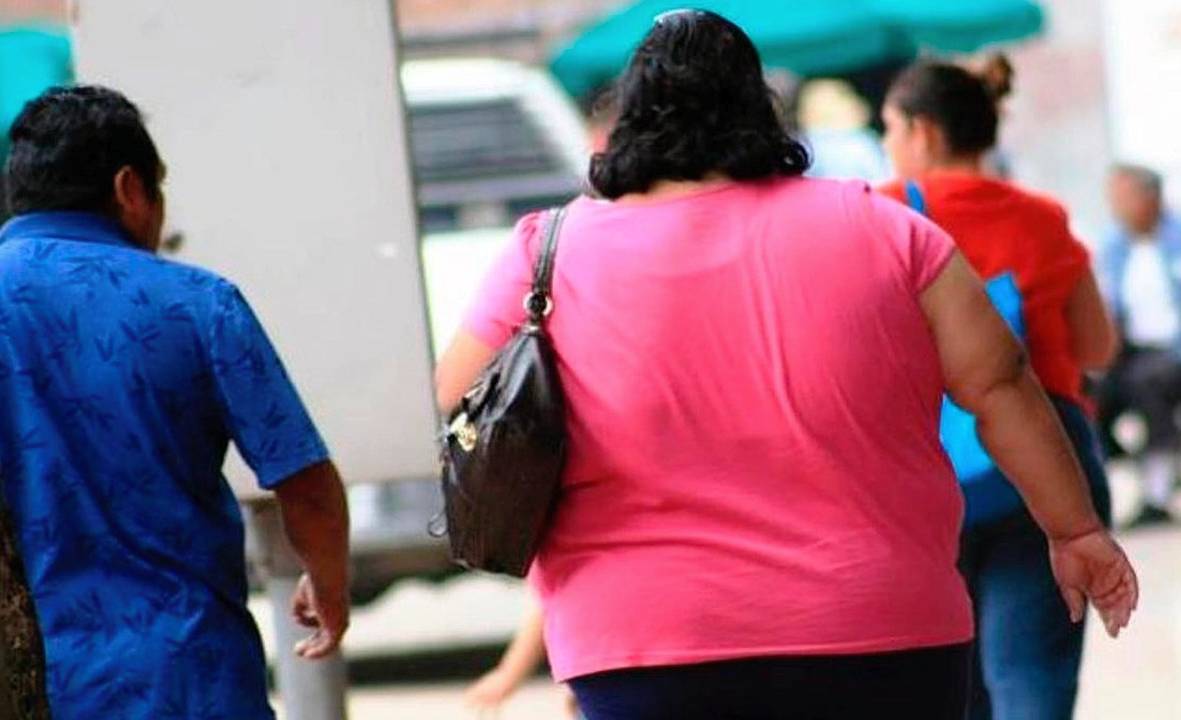
The region knows this story well. From Central America to the Andes, thousands of families face agricultural losses caused by floods, heat waves, or increasingly unpredictable rainfall patterns. Meanwhile, Latin American cities reveal another face of the crisis: neighborhoods where sugary drinks and ultra-processed foods are abundant, but fresh and affordable foods are scarce.
The report insists that nutrition cannot depend solely on hospitals or medical consultations. A girl suffering from anemia does not need only iron supplements. She also needs safe water, stable household income, access to nutritious foods, and health services capable of functioning even during a climate emergency.
Climate enters the kitchen
For years, many governments treated climate change and nutrition as separate issues. The new report dismantles that notion. It explains that global warming reduces agricultural productivity, diminishes the nutritional value of certain crops, and increases the prevalence of climate-sensitive diseases.
There is a troubling paradox. Latin America produces enormous quantities of food, yet millions of people cannot afford a healthy diet. The challenge is no longer simply to produce more calories. The real task is to guarantee nutritious, sustainable, and culturally appropriate foods.
The report identifies three promising strategies. The first is climate-smart agriculture. The second is transforming food environments to promote healthy and sustainable diets. The third is reducing food loss and waste.
For example, encouraging more plant-based diets can reduce polluting emissions and cardiovascular disease. However, if this transition is not accompanied by appropriate nutrition policies, certain vulnerable groups could face micronutrient deficiencies.
Here emerges one of the report’s most provocative ideas: there are no “magic” policies in which everyone always wins. Every decision involves costs, benefits, and power struggles. The difference lies in recognizing those opportunity costs before implementing public policies.
Integrated systems or fragile systems
The COVID-19 pandemic left a brutal lesson: fragmented systems respond more poorly to crises. According to the report, countries that already had integrated school feeding programs, cash transfer schemes, or community-based care systems were able to react more quickly during emergencies.
This finding has enormous implications for Latin America. Long-standing initiatives such as Brazil’s school feeding programs, conditional cash transfers, and community health networks in several Andean countries demonstrated that integrated policies can protect the most vulnerable populations.
The problem is that many public systems still operate as isolated compartments. Ministries of Agriculture work on one side, Health ministries on another, and environmental agencies in yet another separate office. The report argues that this sector-based logic is becoming obsolete in the face of increasingly complex crises.
There is also a financial problem. The document notes that nutrition remains marginal within global climate financing. Only 2% of national climate contributions explicitly include resource mobilization for nutrition.
For this reason, the report issues a warning but also offers concrete pathways forward. It recommends integrating nutrition into primary health care, strengthening social protection systems, and redirecting agricultural subsidies toward nutritious foods.
The politics of hunger and hope
One of the report’s most interesting aspects is its criticism of empty promises. The authors found that many international commitments are technically well written but have little real capacity for implementation.
Gender inequality also emerges as an unresolved challenge. The report’s analysis showed that 70% of the commitments made under Nutrition for Growth Paris 2025 had no gender dimension, and only 2% were genuinely transformative.
This matters because women sustain a large share of food and care systems throughout Latin America. They are farmers, caregivers, community workers, and those primarily responsible for family nutrition.
The report proposes a new conceptual framework called Food and Health Systems for Equitable Nutrition. Its central idea is both simple and revolutionary: healthy diets do not depend on a single ministry or a single policy.
The great question is not whether Latin America can produce food. The real question is whether it can build systems capable of feeding its population with dignity on a planet that is becoming increasingly hotter, more unequal, and more uncertain.
Autor

Nutricionista por PUCE y Salubrista Público por USFQ, diploma en Políticas Públicas por FLACSO. Ha coordinado proyectos de salud reconocidos por OPS y trabajado como consultor internacional. Actualmente, es docente en PUCE, enfocado en nutrición comunitaria y salud pública.