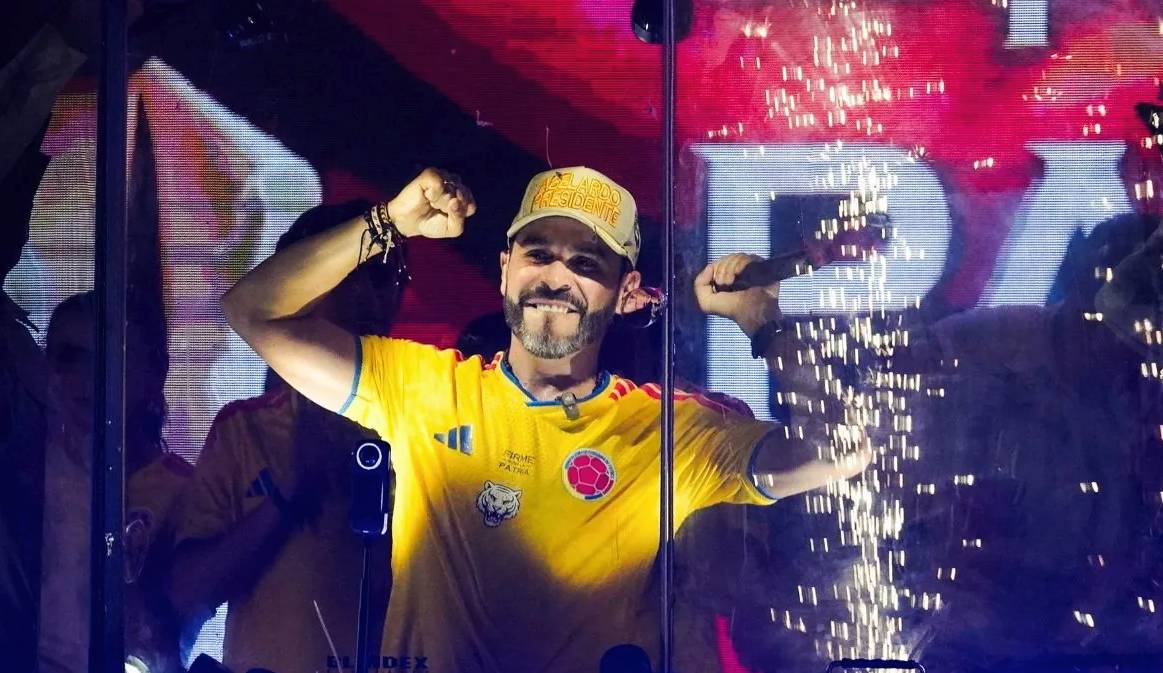
If there is one thing the voting in the presidential runoff has shown us, it is that we are living in a deeply divided country. The difference between Abelardo de la Espriella, who won the preliminary vote count, and Senator Iván Cepeda is less than one percentage point. There were more blank ballots than the number of votes separating the two candidates. For that very reason, this is the moment for all political leaders to promote calm. Our electoral system is designed to demonstrate that every vote has been taken into account. While it is true that the preliminary count is not legally binding and that we must wait for the official tally, it is also true that the historical differences between the preliminary count and the final count have never been large enough to reverse the result we learned yesterday.
The responsibility at this moment is to recognize that neither of the two visions of the country put forward secured more than half of the votes. In addition, voter turnout was massive, reaching 63.5 percent—a figure never before seen in elections held under the 1991 Constitution. More than 26 million people made their voices heard at the ballot box, revealing a fracture between two Colombias locked in opposition. For that reason, any political leader who wishes to govern the country must recognize that their mandate is not absolute, that this is a time for prudence and reflection, and that we face the difficult challenge of rebuilding bridges.

We call on the President of the Republic, Gustavo Petro, to act responsibly regarding the allegations he publishes on social media and the way he refers to the electoral result. His duty at this moment, before being the leader of the Historic Pact, is to protect all Colombians. This is not a time for recklessness or pettiness. Of course, every vote must be counted and reviewed. No one is denying that the official result will only be known once the judges of the Republic have completed their work. What cannot happen, however—as has occurred in the hours following the vote—is for the Casa de Nariño to enter campaign mode in an attempt to overturn a result that runs contrary to its interests.
Indeed, one of the most eloquent voices in this election was the nearly 13 million votes received by lawyer Abelardo de la Espriella. They represent a portion of the country that disapproves of the direction taken over the past four years, that views rising insecurity with concern, that laments the crisis in the healthcare system, and that resents the way Gustavo Petro conducted his presidency.
At the same time, Senator Cepeda’s equally substantial vote count shows that there is another Colombia with deep concerns about what an Abelardo de la Espriella presidency could represent. Their voices, together with those of the blank-vote electorate, demand moderation, responsibility, and active listening. There is no room for arrogant triumphalism, because there was no overwhelming victory. Instead, perhaps this is the moment to recognize that Colombia is a country full of complexities and in need of a president capable of rising to this historic moment. To prevent tensions from escalating, to ensure that violence does not cast its cruel shadow over the days ahead, a change in rhetoric is urgently needed, along with the opening of spaces for dialogue and efforts to ease the fear felt by many. Why not speak, now for real, of a national agreement, far removed from the heat of a campaign marked by stigmatization and disinformation?
Autor

Director of the newspaper El Espectador. Winner of the Simón Bolívar National Journalism Prize. Master's degree in Journalism with a focus on Newspaper Management from Northwestern University. He holds a degree in Philosophy from the University of Los Andes in Bogotá.