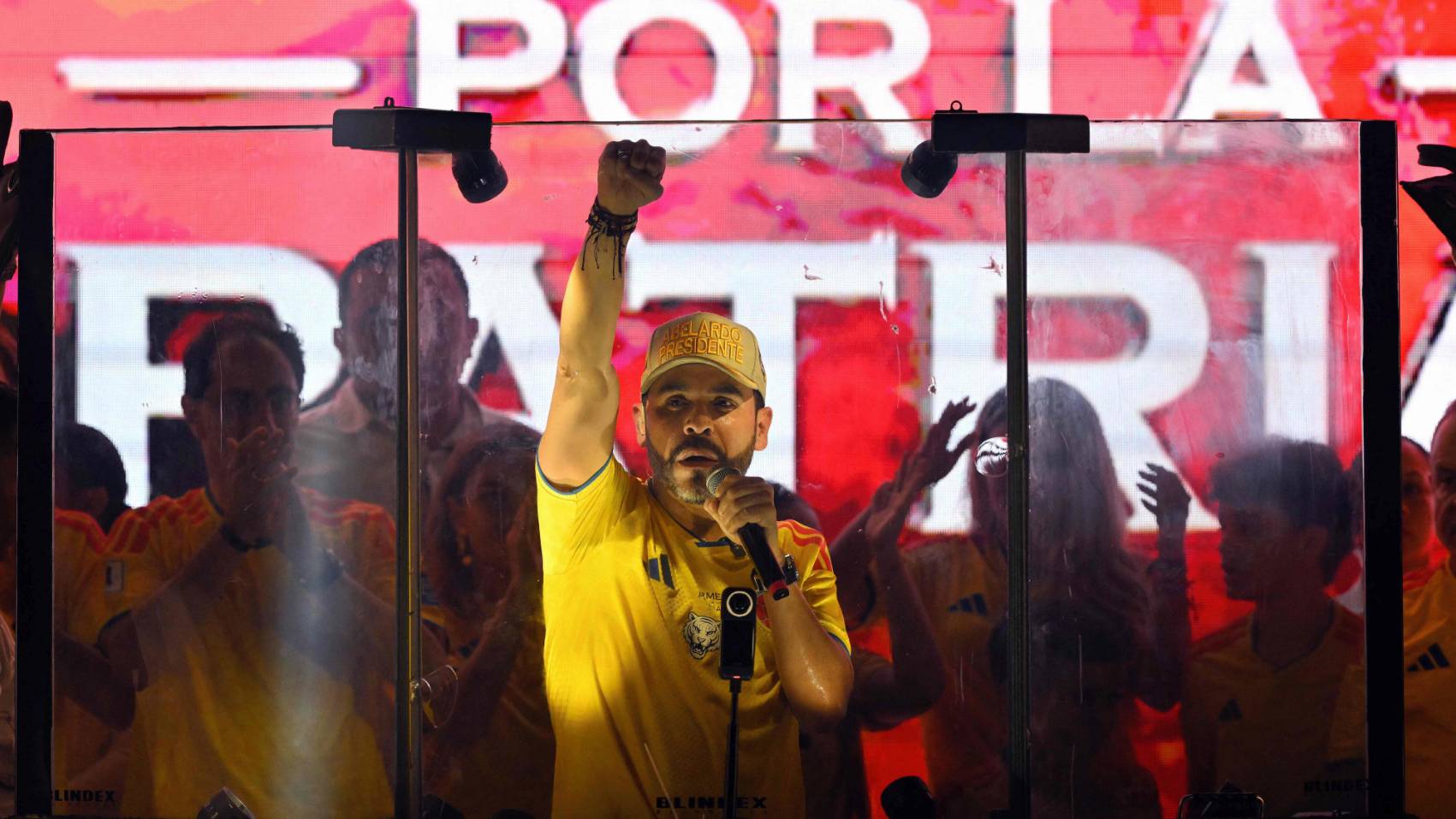
The shockwave produced by the first round of the presidential election was seismic. There was not a single political assumption left unquestioned. The message to the government of Gustavo Petro was clear: its blatant intervention in the campaign came at a high cost to candidate Iván Cepeda. Likewise, the once kingmaker Álvaro Uribe Vélez saw the right abandon his party’s candidate, Paloma Valencia, in order to support a new right-wing movement that has positioned itself as independent. Abelardo de la Espriella, virtually unknown to most Colombians just a few months ago, now has every chance of becoming Colombia’s next president, while Senator Iván Cepeda secured a historic vote tally that nevertheless feels like a defeat for the left. The political center, which placed its hopes on moderation, discovered its irrelevance at the ballot box and is now licking its wounds.
Senator Cepeda ran a campaign that even aspired to win outright in the first round. The Pacto Histórico, emboldened by its outstanding results in the congressional elections and the rise in President Gustavo Petro’s popularity, carried out a campaign aimed almost exclusively at its base. Skipping debates, the scarcely concealed intervention of the Casa de Nariño in favor of the senator, and the attitude of its political leaders all spoke with the arrogance of an overwhelming victory already secured. Curiously, they misread the country. They failed to realize that while their base was enthusiastic, a large share of the country—now approaching a majority—resents the way the president has governed and conducted politics over the past four years. Despite a fragmented opposition lacking prominent figures, the ballot box delivered a clear rebuke to the Petro administration and to a Cepeda campaign that made little effort to broaden its tent. They felt like winners; today they find themselves backed into a corner.

On the other side, the right abandoned Senator Valencia and Uribismo. Faced with division caused by Abelardo de la Espriella’s candidacy, Valencia’s campaign bet on a strategy of “strategic voting” against Senator Cepeda. And indeed, there was strategic voting—but in favor of the lawyer. With a discourse that echoes a blend of Nayib Bukele, Javier Milei, and Donald Trump, De la Espriella has convinced millions of Colombians. He positioned himself as someone outside traditional politics, a person with no interests other than to “set the country back on course.” In a nation where security is one of the main public concerns, rejection of President Petro and promises of a tough-handed approach resonated deeply. De la Espriella’s vote total, also historic, mirrors what has occurred in other countries where emotion outweighed concrete policy proposals.
Colombia therefore remains polarized. We saw this coming years ago. Both candidates carry significant debts to the electorate ahead of the runoff. Will we finally have a debate in which their visions for the country’s future are genuinely contrasted? Will they provide more details about how they intend to implement the vague proposals that propelled them to such large vote totals? Both must recognize that the election was close and will remain so. This is not the time to continue fueling the extremes, but rather to demonstrate that they are capable of leading, each from their own perspective, a country in which everyone has a place. How will they speak to more moderate voters? How will they calm tensions? Is it possible? Or are we condemned to resentful voting and rhetorical hostility?
There are, however, reasons for pride. Colombian voter turnout was massive. As this edition went to press, we did not yet have a final figure, but it is clear that differences of opinion are increasingly finding their catharsis at the ballot box. As they should. Our democracy is showing signs of maturity, even if it is not immune to the familiar ailments that have taken a toll on other countries. It must continue to be defended.
This text was originally published in the Colombian newspaper El Espectador.
Autor

Director of the newspaper El Espectador. Winner of the Simón Bolívar National Journalism Prize. Master's degree in Journalism with a focus on Newspaper Management from Northwestern University. He holds a degree in Philosophy from the University of Los Andes in Bogotá.