






Ideas
Order by
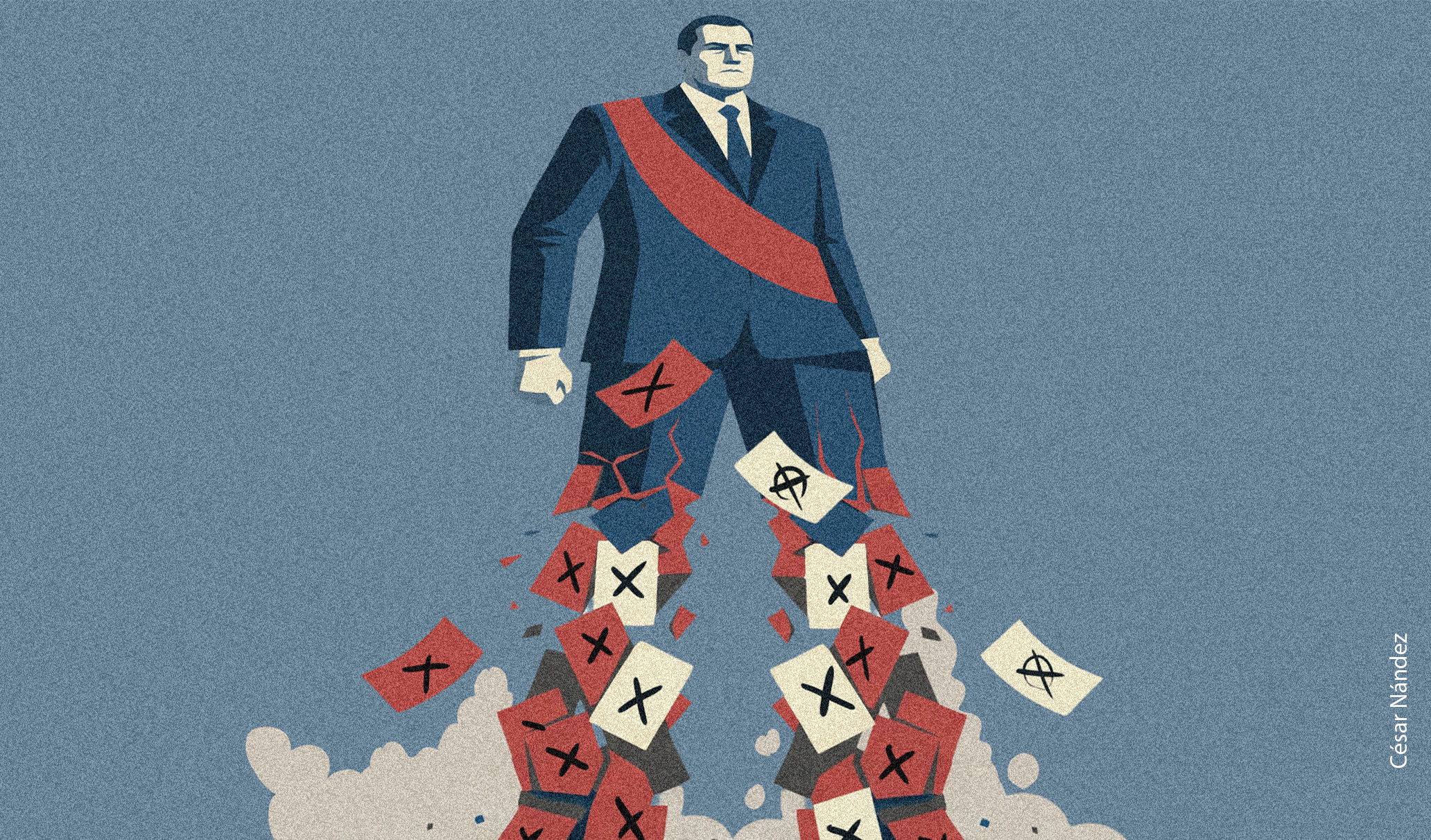
The “perverse” effects of the (un)necessary runoff election
The runoff election can artificially inflate presidential legitimacy without guaranteeing legislative majorities or democratic stability, although it remains useful in highly competitive elections.

Michelle Bolsonaro: from first lady to senator
The victory of the former president’s wife once again shows how the role of first lady serves as an electoral springboard.

A fifth invasion? Organized crime and indigenous sovereignty in the Americas
The expansion of organized crime into Indigenous territories in Latin America threatens their sovereignty, destroys their livelihoods, and undermines their self-governance, which could constitute a fifth historical invasion.

On rigor in sounding the alarm
AI risk warnings are gaining momentum, but without verifiable evidence to back them up, fear may end up taking precedence over reality.
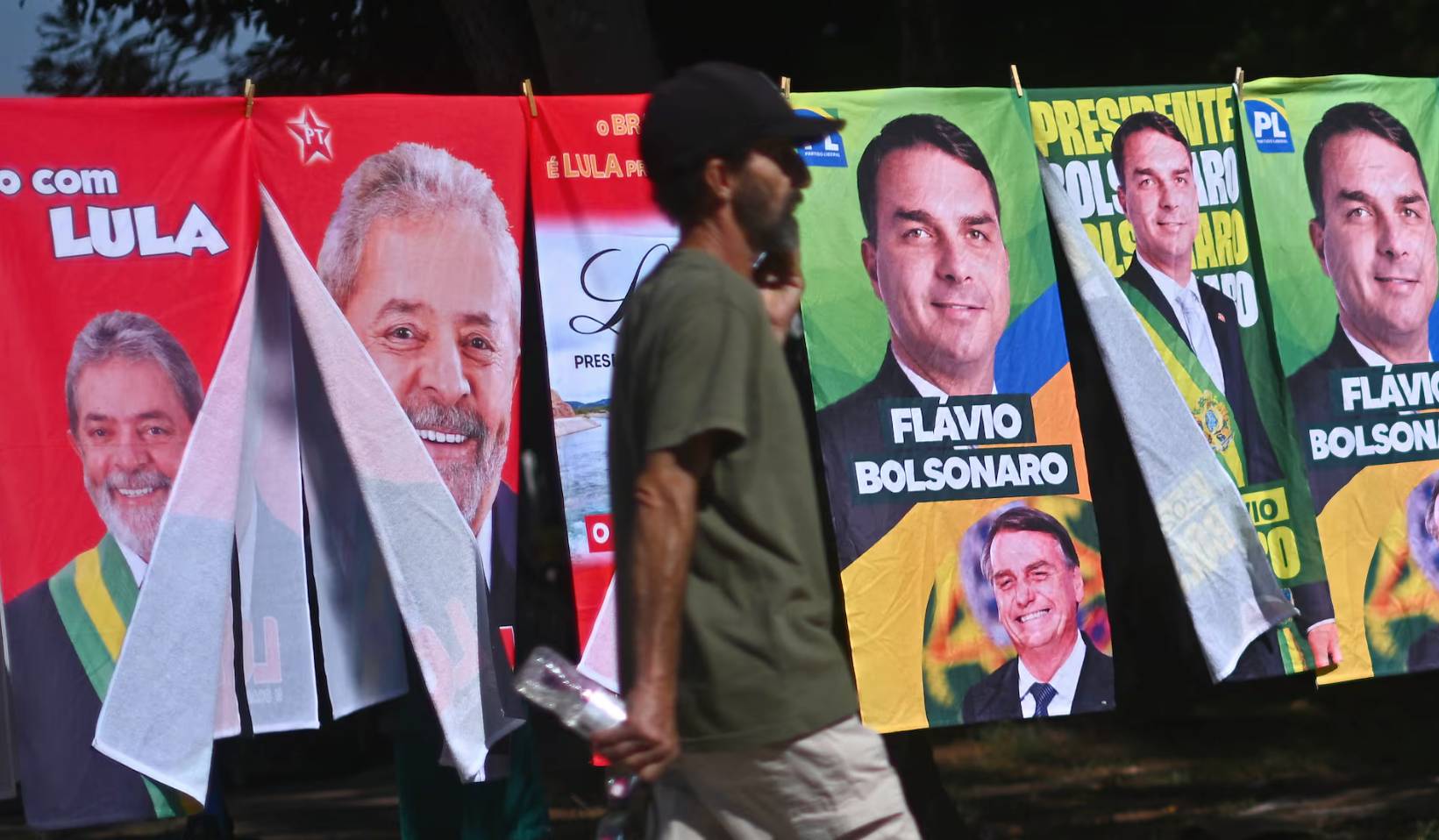
Latin America does not enter a new era with every election
Latin America's electoral swings do not signal the end of progressivism, but reflect growing competition, voter dissatisfaction and political alternation.
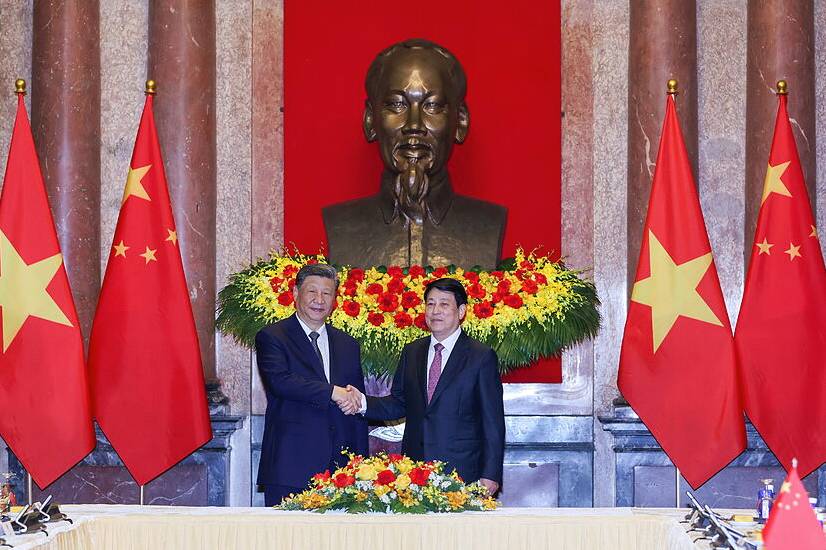
The myth of best practices and the Chinese model
China’s model challenges the Western institutional recipe and shows how adaptation and improvisation can drive development.