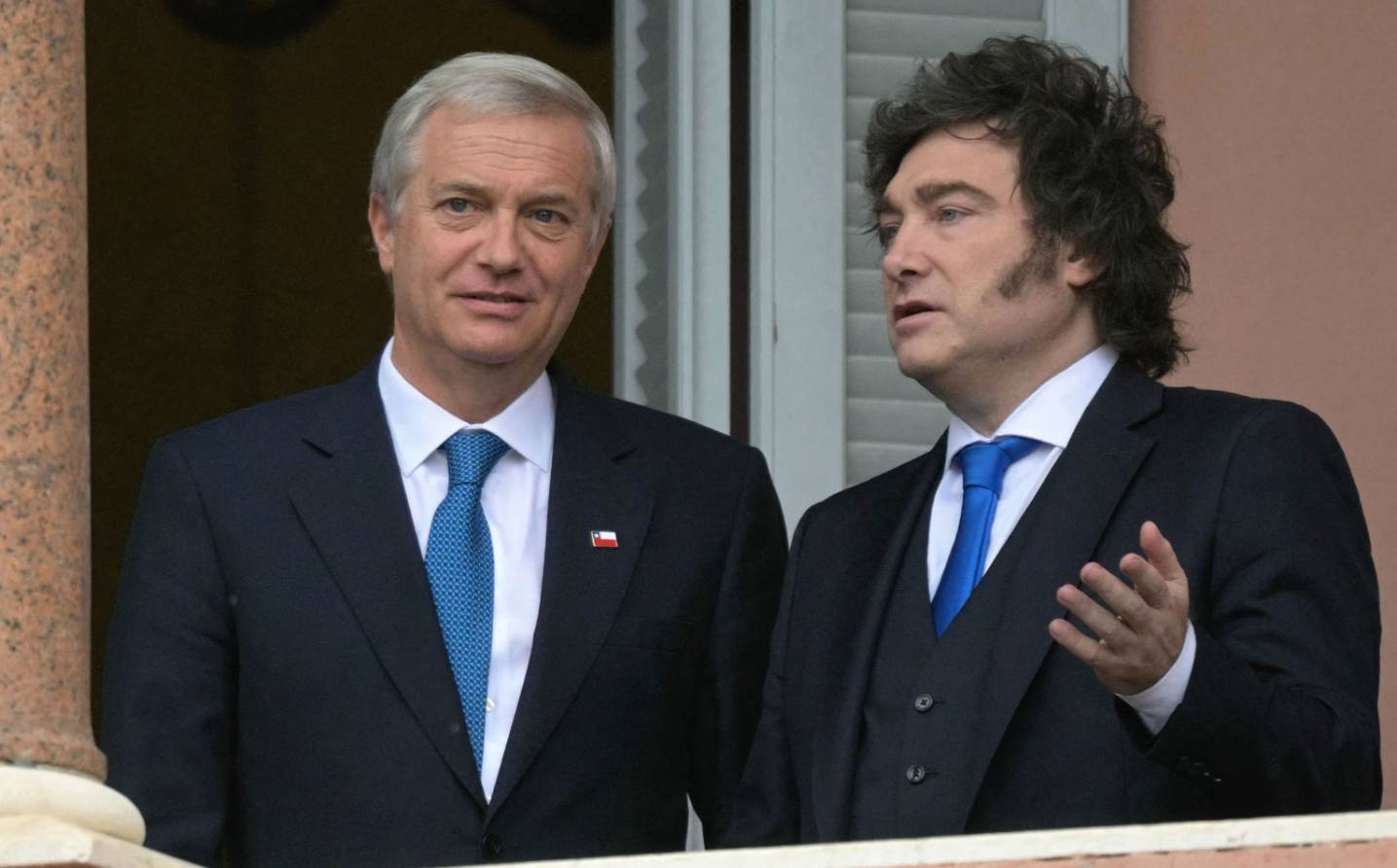
In a relatively short period of time, Latin America’s geopolitical landscape has become increasingly dominated by far-right political parties. Since Nayib Bukele’s victory in El Salvador in 2019, the region’s right has secured successive electoral wins in countries such as Argentina with Javier Milei, Ecuador with Daniel Noboa, Bolivia with Rodrigo Paz, Chile with José Antonio Kast, Peru with Keiko Fujimori, and Colombia with Abelardo de la Espriella. Together, these governments will now govern approximately 192 million people—an impressive 32% of Latin America’s total population.
This raises an important question: what can democracy in Latin America expect from this shift toward the far right? According to several studies—including the recent Democracies Under Pressure report (UNDP, 2026)—polarization, personalism and populism are among the main symptoms of the democratic crisis affecting the region. The newly elected right-wing leaders promised to overcome these problems, which they largely attributed to left-wing governments.

When it comes to polarization, there is little sign of relief. Milei continues to divide Argentina through his attacks on “the caste”; Noboa has capitalized politically on public hostility toward former president Rafael Correa; and Nayib Bukele frames politics as a binary struggle between “good citizens” and “terrorists allied with gangs.”
Likewise, Keiko Fujimori, Abelardo de la Espriella and Rodrigo Paz did not win by appealing to centrist voters. On the contrary, all three mobilized their electoral bases by intensifying political confrontation and resentment.
Nor does populist politics appear to be fading. These leaders portray themselves as the authentic representatives of the “good, hardworking and honest people” standing against “the corrupt political establishment or elite.” Moral rhetoric is increasingly used to challenge the inclusion policies promoted by the left while advocating what they describe as the restoration of “true democracy” or “traditional values.”
Chile’s current president, José Antonio Kast, deserves special mention. His discourse and immigration policies closely resemble European and North American nativist populism, presenting migrants as the principal cause of insecurity in the country.
Personalism and strongman politics also appear to be thriving.
All of these right-wing leaders emerged from party systems suffering deep crises of organization and representation. As a result, the political organizations supporting them rely almost entirely on their personal image and political brand.
The new presidents have increasingly sought to bypass parliamentary oversight, while their parties often function as echo chambers for their personal decisions. Fujimori’s Fuerza Popular operates almost like a family dynasty. In Bolivia, the Christian Democratic Party (PDC), which brought Rodrigo Paz to power, plays only a secondary role in decision-making. Meanwhile, Colombia’s newly elected president Abelardo de la Espriella presents himself as a complete outsider, leading a political movement built around his own image while breaking away from the conservative and liberal party traditions that historically governed the country.
Ultimately, the growing number of far-right governments across the region does not appear to represent a fundamental departure from their predecessors. They remain equally characterized by personalism, polarization and populism.
Governments are increasingly seeking to circumvent legislative institutions. Bukele, Milei, Noboa and Paz have all relied heavily on presidential decrees or exceptional legal mechanisms that reduce Congress’s role in policymaking. At the same time, policies introduced under the banner of supporting production have often promoted environmental degradation while benefiting illegal corporate interests.
The period of left-wing populist governments weakened institutional structures under the argument that institutions had to be bypassed or broken in order to achieve greater inclusion and equality. With the far right now in power, Latin America risks continuing along the same path of institutional erosion—this time justified in the name of defending free markets and individual liberty.
Against this backdrop, it is worth revisiting the work of Daron Acemoglu and James A. Robinson and taking seriously their central lesson: overcoming these challenges requires two equally strong pillars—a state capable of enforcing the rule of law and maintaining public order, and a civil society capable of holding that state accountable.
Autor

Political scientist. Professor and researcher at San Francisco Xavier University (Sucre, Bolivia). PhD in Social Sciences with mention in Political Studies from FLACSO-Ecuador.